UAE Quits OPEC, Signaling Bold New Energy Path
The United Arab Emirates has officially quit both the OPEC and OPEC+ groups. It's a clear assertion of the nation's energy autonomy.
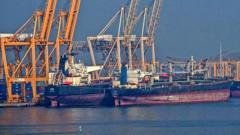
The United Arab Emirates is pulling out of OPEC and its broader OPEC+ alliance. This isn't just a bureaucratic formality; it's a profound shake-up in the global energy landscape, marking a clear assertion of national strategy from one of the world's fastest-growing economies.
For decades, OPEC has dictated the rhythm of global oil production, its pronouncements sending ripples across markets. Now, the exit of a major producer like the UAE — a nation with vast reserves and significant output — undeniably reshapes the cartel's collective power. It's a clear signal from Abu Dhabi: they're ready to chart their own course, free from group consensus or the production quotas that have long aimed to stabilize or influence crude prices.
What this means, practically, is full control. The Emirates can now dictate its own oil policy, gaining significant flexibility to respond to market demands and chase its own long-term economic goals. It's a strategic declaration, plain and simple: the UAE plans to optimize its resources entirely on its own terms, unburdened by the often-complex negotiations and compromises inherent to a multi-state cartel.
Make no mistake, the implications for both the UAE and OPEC run deep. For the Emirates, this move underscores a clear ambition: to operate independently on the world stage, perfectly aligning with its broader vision of economic diversification and global leadership. Look closer, and you'll see it's not just about crude oil; it's about sovereignty, economic agility, and carving a distinct path towards shaping its own destiny in a rapidly evolving energy world.
As for OPEC? Losing a member of the UAE's stature will undoubtedly force a moment of reckoning. The group's long-held ability to enforce collective action and maintain market stability now faces new challenges, stripped of one of its key pillars. Expect observers to watch closely: how will this departure truly impact future supply decisions and the cohesion of its remaining members?
This isn't merely an administrative shuffle; it's a powerful statement. The UAE's exit heralds a new era for its national energy policy, sending a ripple through an industry long accustomed to the established order. With global oil markets already navigating a period of significant transition, they now face an even more dynamic future, as the UAE charts its bold, independent course.
Source: BBC Travel | 28 April 2026
Source: BBC Travel. Content rewritten and curated by Skyplus Editorial.
Related