Hantavirus Confirmed on US Repatriation Flight
Officials have confirmed a case of hantavirus in a US national arriving on a repatriation flight. A second passenger from the flight, exhibiting mild symptoms, is now under close monitoring.
Hantavirus Confirmed on US Repatriation Flight
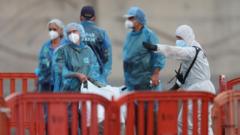
A U.S. national on a recent repatriation flight has tested positive for hantavirus, federal health officials confirmed. The diagnosis, stemming from a group of 17 Americans flying home, brings an unexpected health challenge to the mission. What’s more, another passenger on that same flight is reportedly showing mild symptoms, prompting intensified monitoring for everyone involved.
It’s a new complication for an already intricate logistical operation. Repatriation flights, designed to extract citizens from challenging international locations, usually focus on the mechanics of getting people home. But this incident puts a stark emphasis on the need for thorough health screenings — and constant surveillance — long after passengers have boarded.
Hantavirus is rare, yes, but it’s serious. Humans contract the viral infection primarily through contact with rodents or their waste — urine, droppings, or saliva. Crucially, it doesn’t typically spread person-to-person, unlike so many airborne illnesses. That distinction is key to keeping public understanding clear, easing widespread panic while still highlighting the severity of the individual case and the careful management it demands. Symptoms, depending on the specific strain, can range from mild, flu-like signs to severe respiratory distress.
Authorities aren't taking this lightly. The U.S. health department’s swift announcement alone signals their commitment to transparency and public health. With one confirmed case and another person showing symptoms, officials are now closely monitoring all 17 individuals from the flight. They're looking not just for hantavirus but for any other potential health concerns that might emerge. While rigorous oversight is standard, it takes on heightened urgency in a situation like this.
For the aviation and travel industry, this serves as a potent reminder of the diverse health risks travelers can encounter globally. The unexpected can surface even on a dedicated flight bringing citizens home. It demands that screening protocols, in-flight health monitoring, and post-arrival follow-up all remain agile and comprehensive. This isn't just about a single virus, though; it's about the continuous challenges of global travel in a deeply interconnected world where constant vigilance remains essential for passenger safety and public health.
As affected individuals receive care and the others face ongoing monitoring, this incident will undoubtedly become a crucial data point for future repatriation efforts and international travel health guidelines. Getting citizens home is the mission, of course. But ensuring they arrive safely — and without introducing new health threats — proves equally vital. We’ll be watching for further updates on the health status of those involved and any broader implications for travel policy.
Source: BBC Travel | 11 May 2026
Source: BBC Travel. Content rewritten and curated by Skyplus Editorial.
Related

