India Curbs Foreign Travel Amid War, Economic Strain
India's leader has urged citizens to work remotely and curb international travel. The move aims squarely at slashing fuel consumption and shoring up crucial foreign exchange reserves amid ongoing conflict.
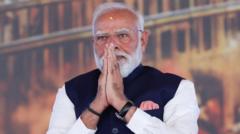
India's Prime Minister Narendra Modi has issued a direct, urgent appeal to citizens: severely limit foreign travel. It's a sharp austerity measure, designed to help the nation navigate the economic turbulence fueled by the continuing war in Iran. For India's booming outbound travel sector, this isn't just a suggestion; it's a government directive, and it promises to squeeze.
What does this mean for millions of Indian families planning holidays, or for businesses operating globally? The message is stark: stay home. This move hits hard at airlines, tour operators, and the entire ecosystem built around international travel from India. Geopolitical tensions, it seems, translate quickly into very real, everyday economic realities.
Behind the directive lie two critical objectives for Modi's administration. First, a significant cut to national fuel consumption. Second, safeguarding the country's precious foreign exchange reserves. With global commodity markets, especially oil, under severe pressure because of the ongoing conflict, conserving fuel isn't just an option; it's a national security and economic stability imperative. Every drop saved, every dollar retained, truly matters.
But the appeal doesn't stop at international trips. Modi has also strongly pushed for widespread working from home. While it might seem unrelated, this measure is another key piece of the broader austerity puzzle. Fewer commuters on the roads means less domestic fuel burned. It's an integrated approach, designed to tighten India's national belt, cut spending on imported energy, and keep economic activity flowing within its borders.
This dramatic call for changed behavior underscores the sheer gravity of the moment. India, it's clear, is bracing for a period of profound economic uncertainty. The enduring conflict in Iran casts a long shadow over global trade and resource availability, forcing the nation's hand. These aren't minor adjustments; they represent a significant pivot in national economic strategy, placing the onus squarely on individual citizens to contribute to collective resilience. For many in India, the days of unrestricted international mobility might just be temporarily on hold, as the nation prioritizes its economic defenses.
Source: BBC Travel | 11 May 2026
Source: BBC Travel. Content rewritten and curated by Skyplus Editorial.
Related

