Raúl Castro Indicted in 1996 Plane Downing
United States authorities have charged Raúl Castro and five others in connection with the 1996 downing of two planes. The charges include conspiracy to kill US nationals and aircraft destruction.
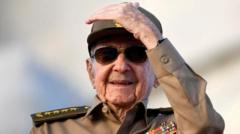
Raúl Castro Indicted in 1996 Plane Downing
More than 25 years after two civilian aircraft were shot down, the United States has formally charged Raúl Castro, Cuba's former leader, and five others for their alleged roles in the 1996 incident. It’s a profound legal declaration, seeking accountability for an act that deeply impacted international aviation safety and U.S.-Cuba relations.
The charges against Castro and his co-defendants are gravely serious: conspiracy to kill U.S. nationals, murder, and the willful destruction of aircraft. These indictments underscore America's long-held commitment to pursue justice for its citizens, regardless of time passed or the political standing of those accused. For the families who lost loved ones, and for the broader aviation community, this feels like a significant acknowledgment of their tragedy.
The incident in 1996, that violent destruction of two planes, sent shockwaves across the region. While the charging summary didn't detail the confrontation's specifics, the legal filing makes clear that U.S. prosecutors believe these were premeditated attacks, targeting U.S. nationals and their aircraft. The indictment of five other alleged co-conspirators also points to a coordinated, high-level operation, placing responsibility squarely on Cuba’s then-leadership.
Charges tied to destroying aircraft always carry immense weight in global aviation circles. This isn't simply a diplomatic spat; it's about the fundamental principles of air safety and protecting civilian lives in international airspace. America’s decision to pursue these charges now, decades on, sends a clear message: acts of aggression against aircraft, especially those leading to murder, won't be forgotten or forgiven. It reinforces the idea that no political grievance, however intense, can ever justify such egregious violations of international norms.
This development will, of course, reignite discussions about the complex history between the U.S. and Cuba. But more crucially, it serves as a stark reminder that crimes affecting global transportation and traveler safety cast a long legal shadow. The pursuit of accountability, even after all this time, shows a resolve that cuts across political shifts and borders. It's a clear statement that for some crimes, justice truly doesn't have an expiration date.
Source: BBC Travel | 20 May 2026
Source: BBC Travel. Content rewritten and curated by Skyplus Editorial.
Related