Boeing · Narrowbody · In Service
Boeing 737-800

Acroterion — CC BY-SA 4.0
The Boeing 737-800 is a twin-engine, single-aisle narrowbody airliner developed as part of the third-generation Boeing 737 Next Generation (NG) family. Serving as the direct successor to the 737-400, it entered commercial service in April 1998 with launch customer Hapag-Lloyd Flug. The aircraft quickly established itself as the backbone of short-to-medium-haul networks globally, bridging regional point-to-point routes and heavy trunk lines for both network flag carriers and low-cost operators.
As the most commercially successful variant within the 737NG lineup, the -800 combined a modernized supercritical wing design, upgraded digital flight decks, and efficient CFM56-7B turbofans to deliver superior operational economics over its Classic predecessors. Its high dispatch reliability and operational flexibility have cemented its status as one of the most prolific commercial airframes ever built.
By The Numbers
The Boeing 737-800 stands as the most commercially successful and widely ordered variant of the 3rd-generation 737 Next Generation (NG) family. Across its commercial and military derivative production runs, thousands of units have been built and delivered to global operators since its introduction in December 1997. Total orders for the 737-800 series anchor the bulk of the overall 7,100-plus 737NG aircraft delivered historically, with active passenger service heavily concentrated among major low-cost carriers and legacy operators alike.
Today, heavy operators of the 737-800 include massive mainline fleets in North America, such as Southwest Airlines, United Airlines, and American Airlines, alongside European low-cost heavyweight Ryanair. The type continues to form the backbone of short- and medium-haul domestic networks globally, even as airlines gradually supplement or transition their single-aisle fleets toward newer 737 MAX equipment.
Manufacturing
Where It's Built
Final assembly of the Boeing 737-800, part of the Next-Generation 737 family, takes place at Boeing's Renton facility in Washington state. Major structural sections are outsourced to key aerospace suppliers; most notably, Spirit AeroSystems manufactures the complete fuselage structure at its facility in Wichita, Kansas, before transporting the assemblies via rail to Renton. Wings, control surfaces, and additional structural sub-assemblies are coordinated through a global supply chain network. Specific, isolated total development costs for the 737-800 derivative program itself were integrated within the broader Next-Generation 737 program accounting block and have not been independently itemized or officially published as a standalone public figure by the manufacturer.
Notable Operators
Watch
Boeing 737-800 In Action
Boeing 737 Stunning Takeoff Cockpit View | The Daily Life of an Airline Pilot | GoPro 12
"REAL BOEING 737-800 FULL MOTION SIMULATOR"
Latest
Boeing 737-800 in the News
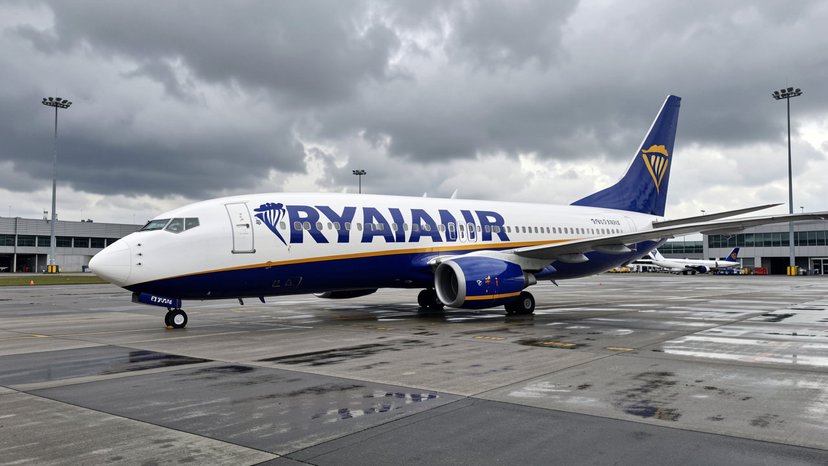
Storm Forces Reggio Calabria Flight to Divert
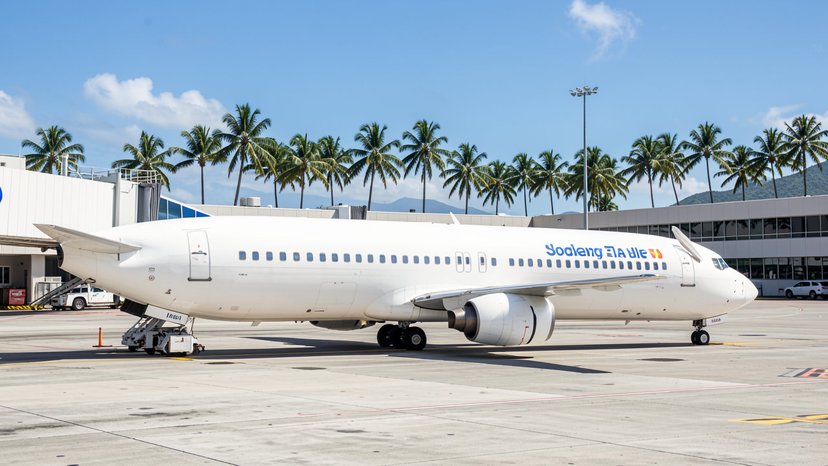
Alaska and Hawaiian Roll Out New Boeing 737 Flights

Ryanair Jet Diverted From Reggio Calabria
Ryanair Cuts Salerno Winter Frequencies
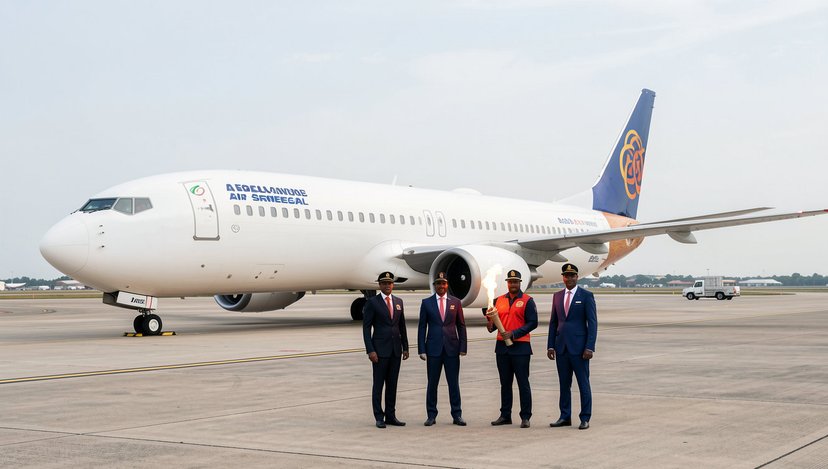
Air Senegal Delivers 2026 Youth Olympic Flame
Ryanair Slams NATS After Outage Forces 50 Cancellations
Sources & Further Reading