Boeing · Narrowbody · In Service
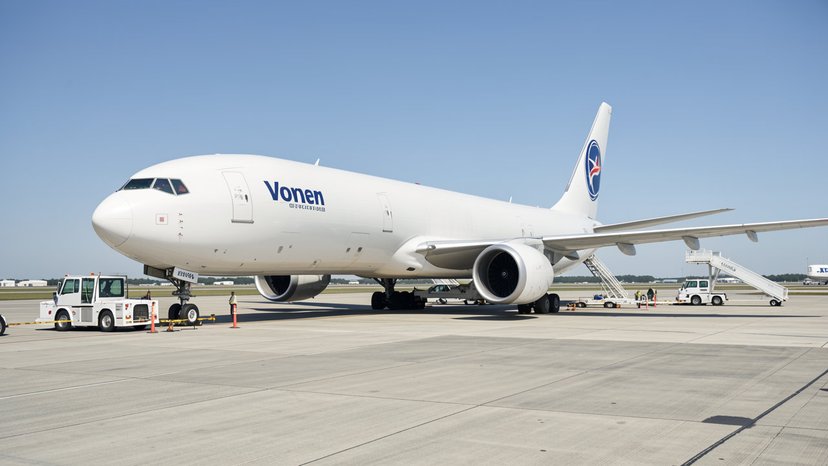
Boeing 757-200

Acroterion — CC BY-SA 4.0
The Boeing 757-200 is a medium-range, narrow-body twin-engine jet airliner produced by Boeing Commercial Assembled from the late 1970s project conceptualizations as the 7N7, it was developed concurrently with the wide-body 767 to succeed the trijet 727 on short- to medium-haul routes. Featuring a high-bypass turbofan powerplant architecture and an advanced supercritical wing, the type achieved significant structural and operational efficiency over its predecessor while maintaining robust hot-and-high airfield capabilities.
Over its production run from 1981 to 2004, 1,050 airframes were built. The 757-200 carved out a unique role in commercial aviation history by bridging domestic shuttle networks and transatlantic 'thin' routes—pairing single-aisle economics with transcontinental range capabilities that few narrow-body airliners could match.
By The Numbers
Boeing manufactured a total of 1,050 aircraft across the 757 family before production officially concluded in October 2004, with final delivery occurring in November 2005. The overwhelming majority of these builds comprised the baseline 757-200 variant, alongside specialized package freighters (-200PF) and the stretched 757-300. Though passenger operations have wound down significantly among major global carriers, hundreds of airframes remain active.
North American legacy carriers heavily anchored the type's historical footprint, with Delta Air Lines and United Airlines standing out as the primary remaining passenger operators. Delta commands the largest surviving fleet of 757-200s and -300s, deploying them on high-density domestic legs and select transcontinental or transatlantic sectors. Meanwhile, heavy cargo configuration use is concentrated strongly among major logistics operators like FedEx Express, UPS Airlines, and various international freight networks.
Manufacturing
Where It's Built
Final assembly of the Boeing 757-200 took place at Boeing's Renton factory in Washington state, primarily housed within the large 4-81 manufacturing bay. Major structural sections and systems were outsourced to a vast global network of risk-sharing subcontractors and suppliers. Notable key structural suppliers included Vought Corporation (part of LTV Aerospace), which manufactured major fuselage sub-assemblies, and Boeing itself producing the advanced 2,000-square-foot supercritical wing structure (with various trailing-edge flaps, ailerons, and structural components sourced externally from international partners). Avionics and electronic flight instrument systems (EFIS) were primarily developed and supplied by Rockwell Collins, sharing a common digital architecture design philosophy with the wider-body Boeing 767. Precise, publicly verified total development cost figures for the 757 program are not comprehensively documented or officially itemized in historical corporate financial filings, as Boeing integrated development expenditures across concurrent transport programs during the late 1970s and early 1980s.
Notable Operators
Latest
Boeing 757-200 in the News
Sources & Further Reading