Accor CEO Sébastien Bazin on Data Versus Instinct in Travel
The numbers can tell you everything about a hotel's plumbing, its occupancy rates, and how many eggs guests ate on Tuesday. They can't tell you whether a room feels good to stand in. Sébastien Bazin knows this better than most. Running Accor means wrangling a massive global empire, but the hotel boss is the first to admit that spreadsheets have their limits. Scale demands data, sure. You don't manage thousands of properties across the globe by guessing. That said, when it comes to the big bets—the moves that actually shape a guest's stay—data takes a backseat to plain old human instinct. You can't algorithm your way into a feeling. Bazin gets that the soul of hospitality isn't stored in a database. Data is the baseline, but the gut is where the vision lives.
Key Details
- Executive
- Sebastien Bazin
- Company
- Accor
- Event
- Skift Global Forum
- Core Philosophy
- Data feeds instinct, does not replace it

When the Spreadsheets Get It Wrong
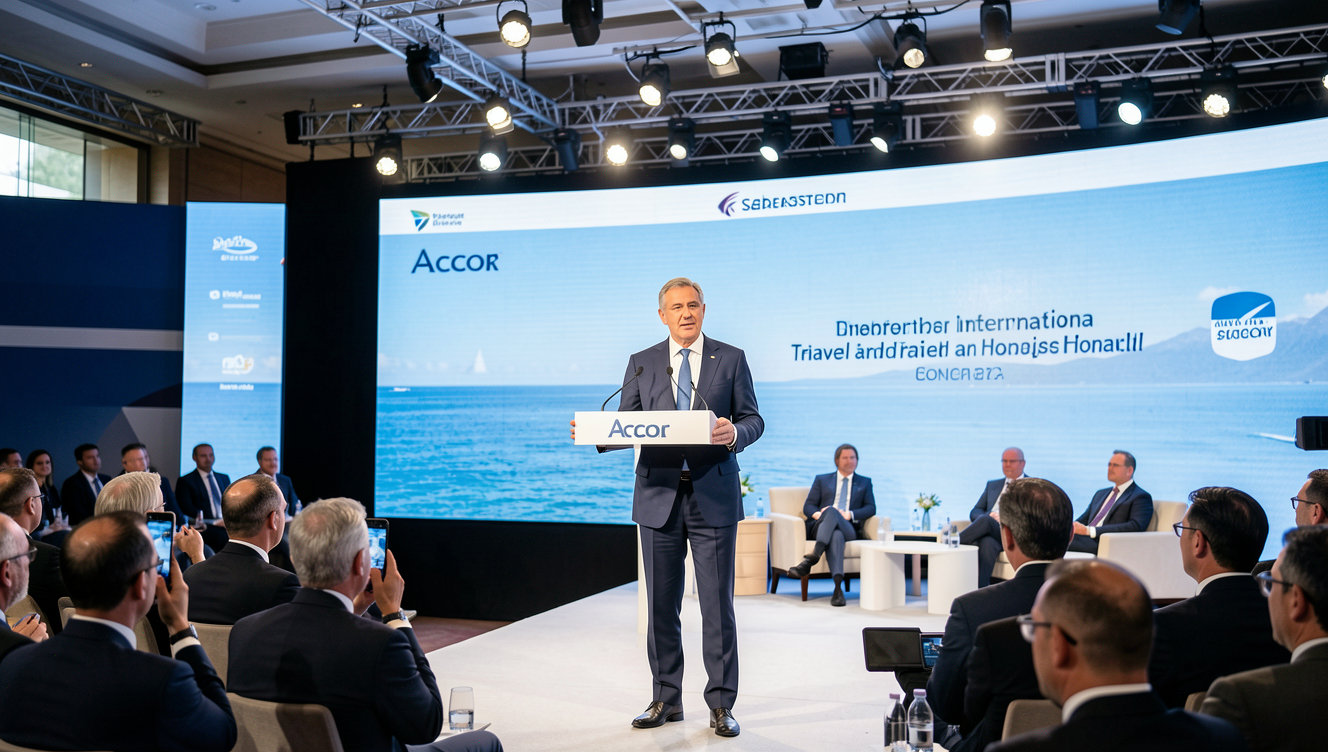
Run a hospitality empire like Accor, and you're buried under a mountain of numbers. Occupancy rates, RevPAR swings, booking windows, loyalty churn—the metrics pour into corporate dashboards around the clock. Yet Accor boss Sébastien Bazin doesn't think those columns and rows should make the final call. Rely on them entirely, and you get mediocrity. Sure, big data sets a baseline. What it can't do is capture the quiet mood of a room or figure out what a guest actually wants before they ask for it.
Analytics sell a comfortable lie: total certainty. Every online click leaves a trail, feeding huge systems built to predict the exact price a traveler will pay on a quiet Tuesday in October. Bazin isn't throwing those shiny tools in the trash—he calls hard intelligence essential. He just insists it ought to feed your gut, not overrule it. When you're selling a physical experience, handing full control to an algorithm strips out whatever magic brought guests there in the first place.
Scaling Up Without Becoming Sterile
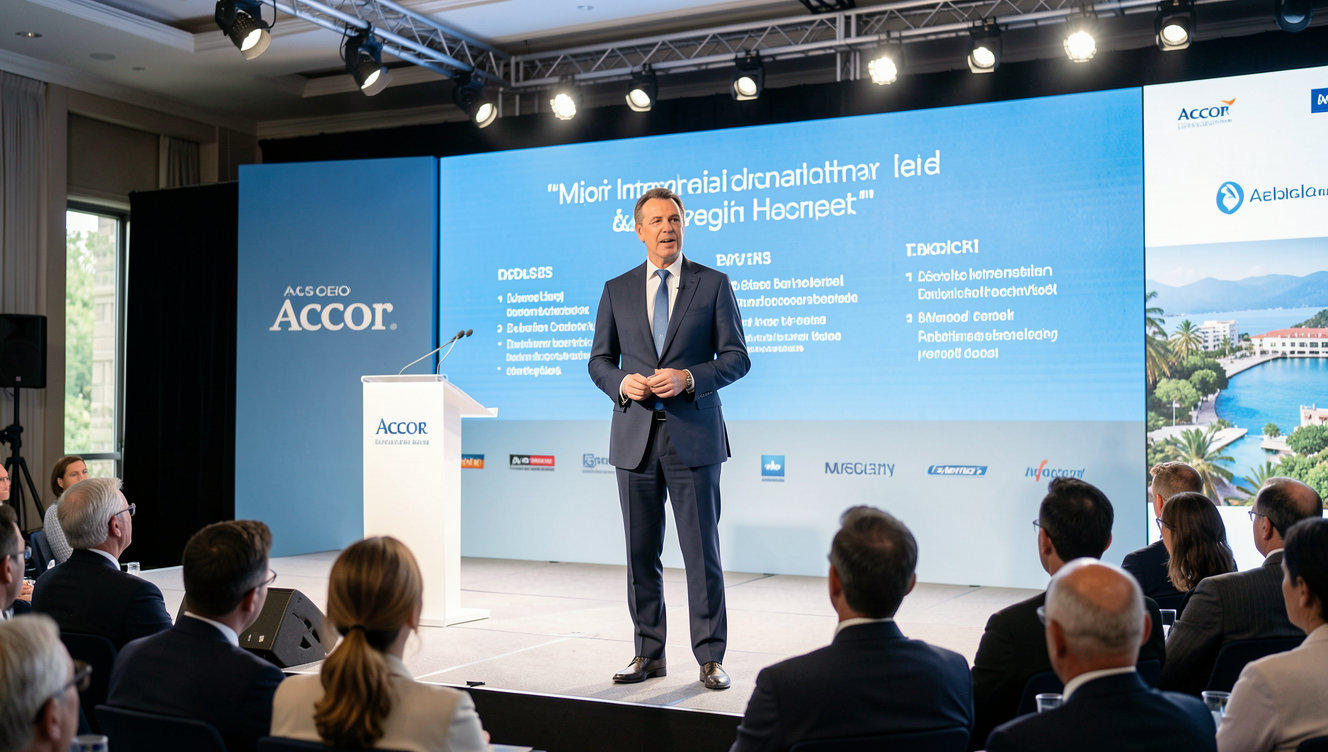
Managing thousands of properties across dozens of global brands takes relentless discipline. It's easy for scale to curdle into sterile, copy-paste uniformity. Bazin's take? Executives need data to shape their view, not to outsource their decision-making. Numbers only explain yesterday. They won't tell you what an exhausted traveler desperately needs tomorrow night.
That tension between corporate software and individual flair isn't unique to Accor. As heavyweights push for global reach—take Maybourne Targets Global Growth With New Hotel Operator—the battle to scale service without losing personality is getting louder. An algorithm can optimize night rates in a flash. It can't smell the lobby flowers or pick up on a souring vibe in the dining room.
Where the Bet Pays Off
Anyone curious about how this plays out in practice won't have to wait long. Bazin is taking the stage at the upcoming Skift Global Forum to lift the hood on Accor's massive engine. Expect him to double down on his stance that while tech budgets are exploding, human intuition stays the real differentiator. In an industry quietly obsessed with replacing people with software, his skepticism is a relief.
Travelers rarely see what happens in corporate boardrooms, but they feel the outcome the second they check in. Every time a hotel feels personal instead of mathematically engineered, someone trusted their instincts over a pivot table. As Accor navigates shifting consumer habits and choppy economic waters, Bazin is betting that the winning formula lives right where cold data meets seasoned judgment. It's a gamble worth watching.
Source: Skift | 11 September 2026
Why It Matters
As hospitality giants rely increasingly on automated pricing and algorithmic planning, Bazin's emphasis on human intuition highlights the ongoing tension between tech efficiency and guest experience.
Source: Skift. Content curated and produced by Skyplus Team.
Related
More Stories