Australia Visa Overhaul Hits Airlines and Inbound Routes
Australia's cutting its migration target to 225,000 by 2028—a sharp drop that's about to hit long-haul airlines where it hurts. With tougher visa rules landing on students and backpackers, the carriers relying on those inbound routes are heading for a real squeeze.
Key Details
- Migration Target
- 225,000 net overseas target by 2028
- Targeted Groups
- International students, 'visa hoppers', backpackers
- Aviation Impact
- Reduced economy load factors and altered route planning

The Sudden Squeeze on Inbound Flights
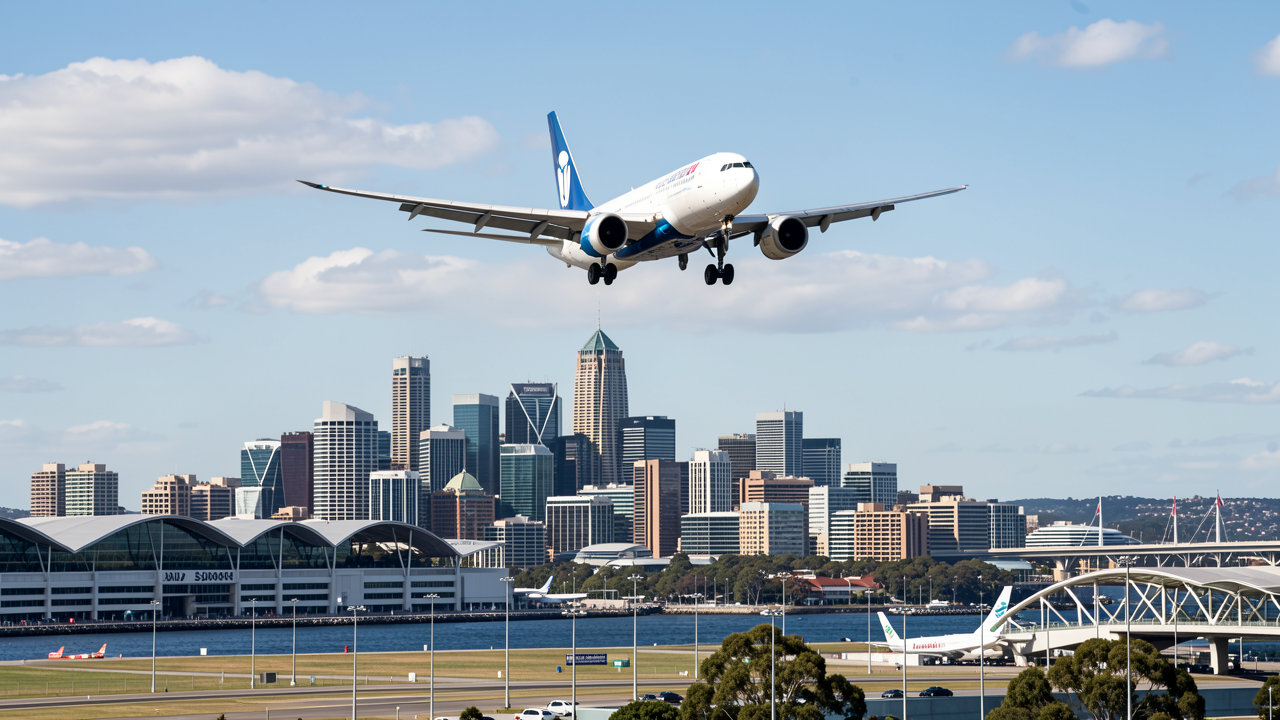
Australia’s long-haul passenger funnel is about to look very different. Canberra is systematically tightening visa rules for foreign students, backpackers, and temporary workers in a sweeping effort to cut net overseas migration down to 225,000 people per year by 2028. For the airlines that pack their long-haul cabins with students and working holidaymakers, the commercial math is changing fast.
For years, this traffic gave international carriers something priceless: dependable, year-round baseline demand. Flying students from Southeast Asia, South Asia, and East Asia, or working holidaymakers from Europe and North America, wasn't just seasonal filler—it was the steady bedrock holding up cabin load factors. Now, with stricter English-language requirements, higher financial proof thresholds, and aggressive crackdowns on temporary visa extensions, far fewer passengers will clear border controls in the coming months.
Economy Cabins Pay the Fuel Bills
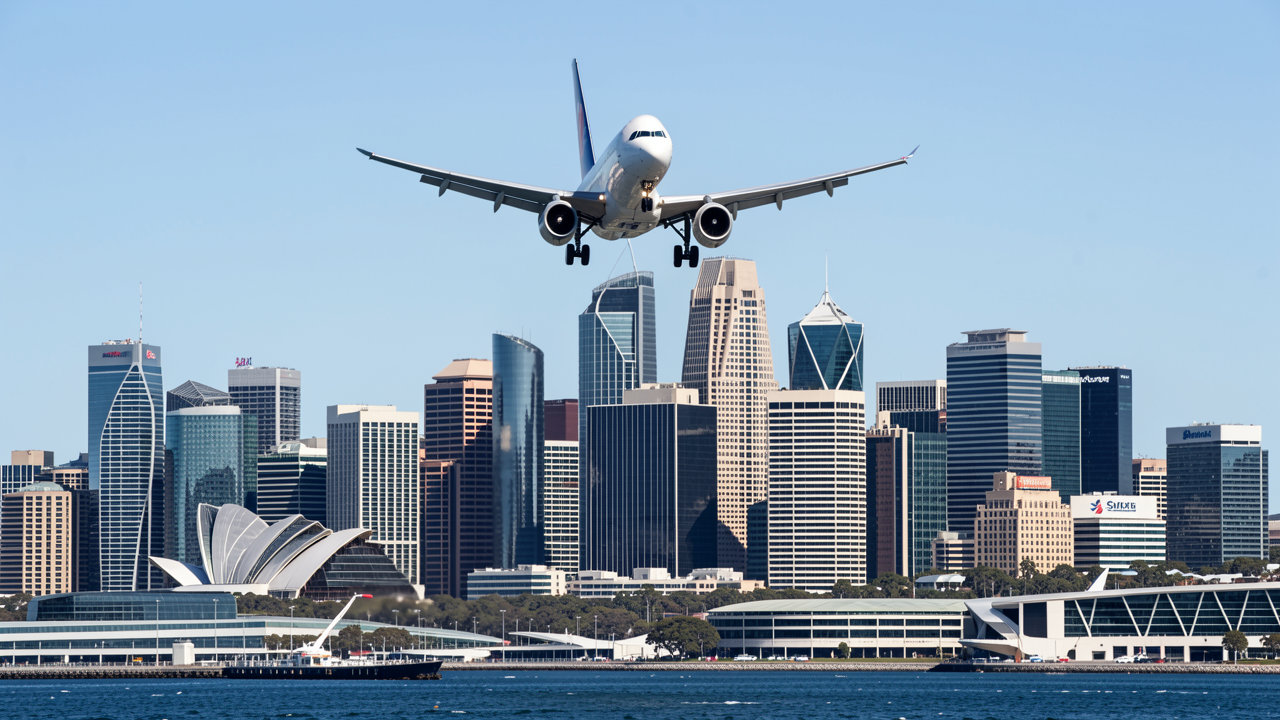
Business class gets the glory, but the back of the plane pays for the fuel. Students filling economy seats during quiet shoulder seasons are what make routes like Guangzhou to Sydney or Mumbai to Melbourne commercially viable. When thousands of student visas get turned down or deferred, long-haul carriers face immediate, painful hits to seat factors on vital trunk lines.
We’re already watching airlines re-evaluate capacity across crucial Asia-Pacific corridors. Middle Eastern hub carriers, Chinese state airlines, and Southeast Asian budget operators rely heavily on student transit. A sudden contraction in student intake directly threatens daily flight schedules. Expect carriers to start shifting widebody planes toward markets where entry conditions remain simpler and more predictable.
As Thailand's Visa Shift Targets Quality Over Volume showed, regional travel patterns realign quickly when governments tweak entry settings. Australia's own reset is forcing network planners to redraw yield forecasts and seat allocations right across the Pacific basin.
The End of 'Visa Hopping' Hits Regional Routes
Students aren't the only ones caught in the net. Temporary work visas and working holiday pathways—especially repeated onshore visa renewals, often called 'visa hopping'—are being shut down hard. European, British, and North American backpackers have long relied on those seamless visa extensions to stay, work, and spend money across regional Australia.
Kill those extension mechanisms and you don't just cut the resident headcount. You starve the domestic flight network. Backpackers typically land in Sydney or Melbourne before jumping on budget flights out to places like Cairns, Perth, or Alice Springs. Squeezing this crowd strips low-cost operators like Jetstar and Virgin Australia of essential secondary revenue.
Cheaper Tickets First, Higher Fares Later
So what happens to airfares when a government intentionally throttles inbound traffic? In the very short term, you might see airlines throw out promotional fares to fill empty seats left by the initial visa slump. But carriers won't bleed money on underperforming routes forever. If student and backpacker numbers stay down, capacity cuts will follow.
Fewer seats on the market ultimately means higher average fares for everyday holidaymakers and families visiting relatives. Route maps will condense around high-yield hub traffic, reducing direct connections to secondary Australian gateways. Travelers and travel planners should prepare for a leaner, pricier Australian aviation landscape as airlines adjust to Canberra's tougher border rules.
Source: BBC Travel | 17 September 2026
Why It Matters
Australia's lower migration target cuts baseline demand on key international routes, forcing airlines to reconsider service frequencies and pricing models.
Source: BBC Travel. Content curated and produced by Skyplus Team.
Related
More Stories