Beyond the Booth: Making Tourism Live Events Actually Matter
Every destination loves a live event. They’ll roll out the red carpet, flash the sponsor logos, and cross their fingers for a spike in foot traffic. Then the tents come down, the VIPs fly home, and the street sweepers move in. What’s left? Usually just some bruised grass and a hefty invoice. If we’re being honest, most tourism live events are built to last exactly four days. Planners spend months engineering a temporary spectacle, but they rarely ask what happens when the lights go out. That’s the real blind spot. If a festival or a summit doesn’t change how a place functions after it ends, it’s just an expensive weekend. So how do you actually make tourism events matter? Let's look at what works when destinations stop treating events like one-off parties and start treating them like infrastructure. <h2>Think Beyond the Four-Day Spike</h2> A stadium concert fills every hotel bed within a five-mile radius. That’s great for Saturday night. But ask yourself what that visitor remembers on Tuesday. If the answer is just a hangover and a wristband, you’ve missed the point. The best planners design events that plug directly into the local economy long-term. That means sourcing catering from neighborhood spots three streets over, not hiring a multinational conglomerate. It means commissioning local artists to build the main stage installations instead of shipping them in from out of state. You aren't just putting on a show. You’re auditioning your destination for people who might actually want to come back when the crowds are gone. <h2>Leave a Blueprint, Not Just Trash</h2> Nobody wants another panel discussion on "sustainable tourism" that ends with everyone drinking out of single-use plastic bottles. If your event has a footprint, own it. Build the cleanup and the community benefit into the initial contract. If a music festival takes over a public park, part of the event budget needs to fund the long-term upkeep of that park's facilities. That’s not charity — it’s rent. When you treat the host city like a partner rather than a backdrop, people notice. The locals stop rolling their eyes when the road closures are announced, because they know the neighborhood is getting something back that lasts past Sunday evening. <h2>What Nobody Warns You About</h2> Scaling a live event without losing its soul is a knife-edge. Scale too fast, and you price out the very locals who give the place its pulse. Ignore the scale, and you go broke. You’ve got to balance the global audience with the neighborhood reality. If the crowd doesn't interact with the actual city — if they stay trapped inside the festival perimeter eating branded chicken tenders — you haven't stimulated tourism. You've just built a theme park for the weekend. Fix that by pushing the action out. Scatter the pop-up stages across different districts. Give attendees transit passes that actually work. Make it easy for them to wander off the main drag and get lost in a part of town that doesn't have a sponsor banner hanging from every lamppost. Events shouldn't feel like an interruption to normal life. They should feel like the volume got turned up on what was already there.
Key Details
- Event
- Skift Live Tourism Summit
- Core Focus
- Long-term destination value
- Key Metrics
- Community impact and legacy infrastructure

The Trap of the Temporary Spectacle
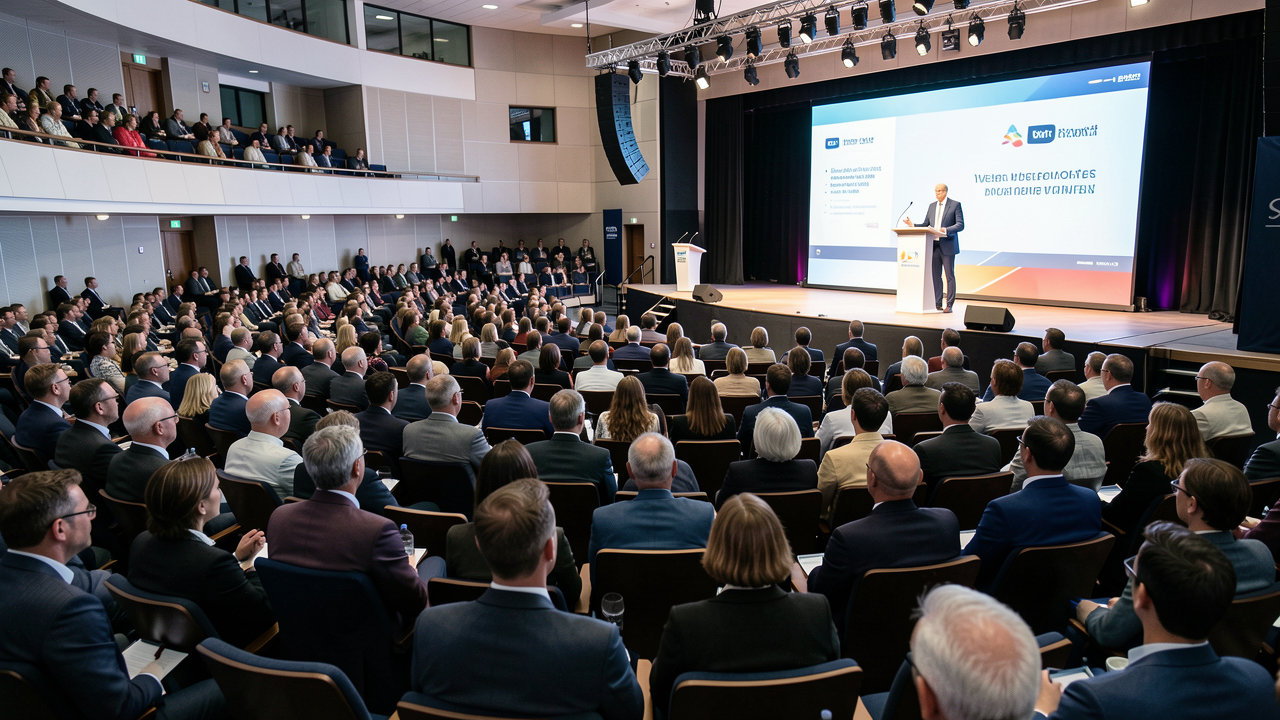
Too many cities treat live events like a sugar rush. They pour millions into festivals, conventions, and high-profile tourism summits, watching visitor numbers spike for a long weekend before the inevitable crash back to reality. It's an exhausting cycle. Destination marketing organizations often view these happenings as vanity metrics rather than strategic tools. They check a box, wave goodbye to the crowds, and wonder why local businesses aren't seeing long-term gains. If your destination strategy relies entirely on people showing up for three days and leaving zero footprint beyond an Instagram post, you're already losing.
Five Choices That Separate Fluff From Foundation
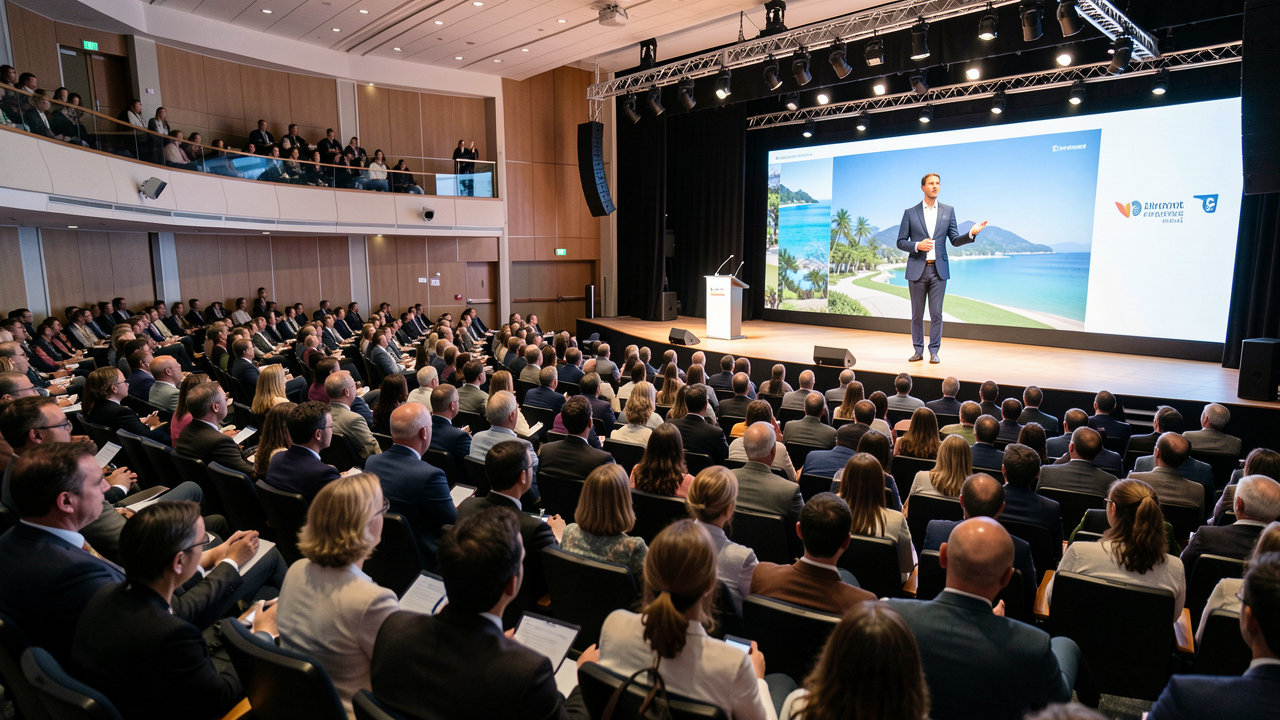
During a high-level debate at the Skift Live Tourism Summit, industry leaders zeroed in on five critical decisions that separate a transient party from an enduring economic engine. It isn't about how many hotel rooms you fill on a Saturday night. It's about whether the infrastructure you build today serves residents tomorrow. Planners have to ask themselves hard questions about community buy-in, carbon impact, and legacy infrastructure. When you design an event around the needs of the neighborhood instead of just the tourist board's KPIs, the entire ecosystem shifts.
This kind of rigorous evaluation mirrors what top-tier executives tackle behind closed doors, much like the conversations detailed in Inside Tourism's Most Exclusive NYC Strategy Room. The stakes are simply too high to keep winging it.
Building a Legacy That Outlasts the Tent
Real impact requires brutal honesty. Destinations need to evaluate if their calendar highlights local culture authentically or just packages it for consumption. They have to track whether partnerships forged during these gatherings turn into year-round trade, or if they evaporate the moment the exhibition hall lights go out. Stop funding events that only benefit visiting delegates. Start investing in initiatives that leave a permanent mark on the local workforce, small business networks, and public spaces. That's how you turn a fleeting weekend into a multi-year win.
Source: Skift | 15 September 2026
Why It Matters
Source: Skift. Content curated and produced by Skyplus Team.
Related


