Flood Risk Threatens Nepal-Tibet Cross-Border Travel
A landslide near the Nepal-Tibet border has dammed a river, forming a barrier lake that now threatens to burst and flood the area below. It's an immediate hazard to the region's already fragile road network, leaving vital cross-border routes facing sudden, unpredictable disruption.
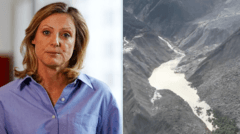
Trouble on the High Passes

Planning to cross between Nepal and Tibet this week? It's a bit of a gamble. Emergency crews along the border just flagged a serious threat: a recent landslide choked off a local river, trapping water behind a wall of loose mud and rock. If that natural dam snaps, a torrent of water and debris will rip straight down the valley, taking out essential bridges, tarmac, and vital trade routes in minutes.
High-altitude roads in these valleys aren't forgiving even on a clear day. They're thin, rough ribbons carved into mountain walls, jammed with heavy supply trucks and overland tour rigs. Once a landslide plugs a river channel, millions of tons of backed-up water press hard against the debris. If the barrier breaches, it won't just flood. It'll send a wall of water and boulders grinding down the gorge, stripping the asphalt to bare bedrock and shutting down passes for weeks.
For anyone traveling between Kathmandu and the Tibetan Plateau, timing has become entirely unpredictable. Rescue teams and local officials are keeping eyes on the lake level around the clock, but guessing when—or if—a mud dam will give way is basically impossible. If your route runs anywhere near the border, count on sudden road closures and brutal detours.
How One Slide Paralyzes the Border

Crossing this frontier means squeezing through narrow slots cut into solid cliff faces. It doesn't take much to freeze the whole system—one solid fall of earth can shut down transit across the region overnight. Right now, that rising lake sits directly above the main arterial roads winding through the valley bottom.
The initial landslide was only the start of the problem. As trapped water pools behind the blockage, it soaks into the loose dirt like a giant sponge. The moment water cuts a channel over the top or carves through the center, the flood hits with terrifying momentum. It tears out bridge supports, eats away asphalt from below, and severs the back roads remote villages rely on for daily supplies.
Road crews operating in these deep gorges are fighting geology, and geology almost always wins. Standard highway repairs don't stand a chance against a full-scale outburst flood. When a primary border crossing washes out, backups are practically non-existent—the few alternate tracks out there dump drivers onto hundreds of miles of grueling, unpaved detours. If that lake bursts, nobody is getting through fast.
If You're Heading Up There Right Now
Head toward the border this week and you can forget keeping to a tight schedule. Survival in these deep Himalayan valleys comes down to river monitoring and quick calls from upstream. Once a dam breaks and the surge starts moving, warning times downstream aren't measured in hours. They're measured in minutes.
Tour operators and transport companies working the corridor are already scrambling to adapt. Most are telling clients to double-check local road reports before leaving major hubs like Kathmandu or Lhasa. Police and road authorities will shut key highways down the second field sensors pick up movement in the dam wall or a sudden spike in water volume.
If you have to make the trip, keep these practical steps front of mind:
- Monitor real-time transit updates: Mountain conditions turn on a dime. Recheck status reports with local transport desks and safety officials right as you roll out, not the evening before.
- Maintain flexible itineraries: Pad your schedule with generous buffer days. When high-altitude infrastructure fails, a short delay can quickly turn into a multi-day standoff.
- Identify alternative transit points: Study your map. Learn where the main highway splits lie and which secondary tracks stay open if a river-valley road washes out.
- Prioritize vetted transport operators: Stick with experienced local drivers and companies that stay plugged into river monitoring units and emergency workers along the route.
Navigating the high Himalayas always comes down to respecting forces well beyond your control. While engineers and rescue crews keep a nerve-wracking watch on that growing lake near the border, anyone traveling through the corridor needs to stay sharp, stay patient, and put safety ahead of an itinerary.
Source: BBC Travel | 28 August 2026
Source: BBC Travel. Content curated and produced by Skyplus Team.
Plan Your Trip
Where This Takes You

Related


