India Weighs Airport Operators Owning Airlines
India is quietly debating a seismic shift in aviation policy: letting airport operators like the Adani Group own airlines. Right now, IndiGo and Air India own the sky, sharing a stubborn duopoly that leaves the market begging for competition. The Ministry of Civil Aviation is weighing the idea, though officials admit it's a complicated maze of cross-ownership regulations. Opening the door to airport operators could shake up an industry dominated by just two players. But critics already point to obvious conflicts of interest. Can an airport operator fairly manage slots, pricing, and infrastructure when it runs its own airline? The debate is live, the stakes are massive, and New Delhi hasn't made a final call yet.
Key Details
- Key Stakeholder
- Adani Group
- Core Issue
- Airport operator airline ownership
- Market Focus
- India aviation duopoly

Two Players Control India's Skies. That Might Change.
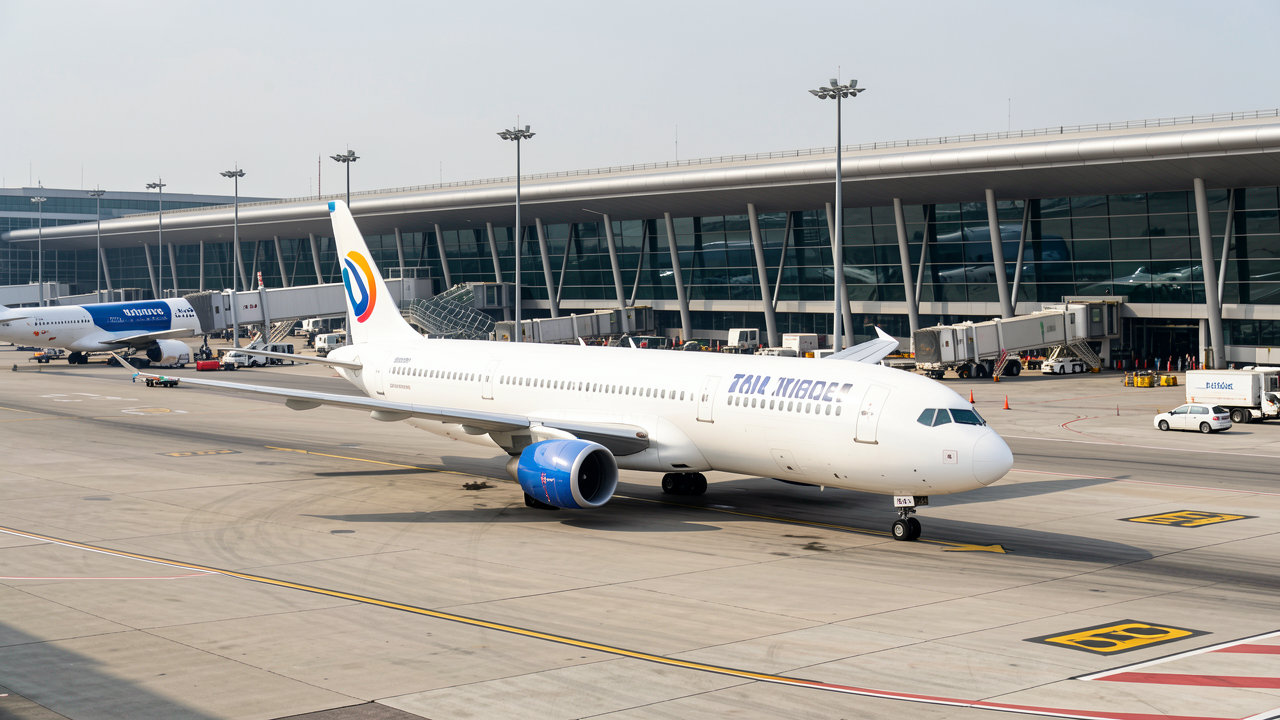
Two carriers dominate Indian aviation today, and passengers are paying the price. Now the Adani Group—the conglomerate already running a massive chunk of the country’s airport infrastructure—wants to launch its own airline. On paper, it looks like a natural expansion for a corporate titan. Behind closed doors in New Delhi, though, it’s sparked a fierce debate over who gets to control the skies.
Government officials are stuck in a corner. India desperately needs fresh competition to pull ticket prices down and force service standards up. But handing an airline license to the very group that controls the runways creates an immediate, ugly conflict of interest—one regulators can't easily hand-wave away.
The Trouble With Owning the Gates and the Planes
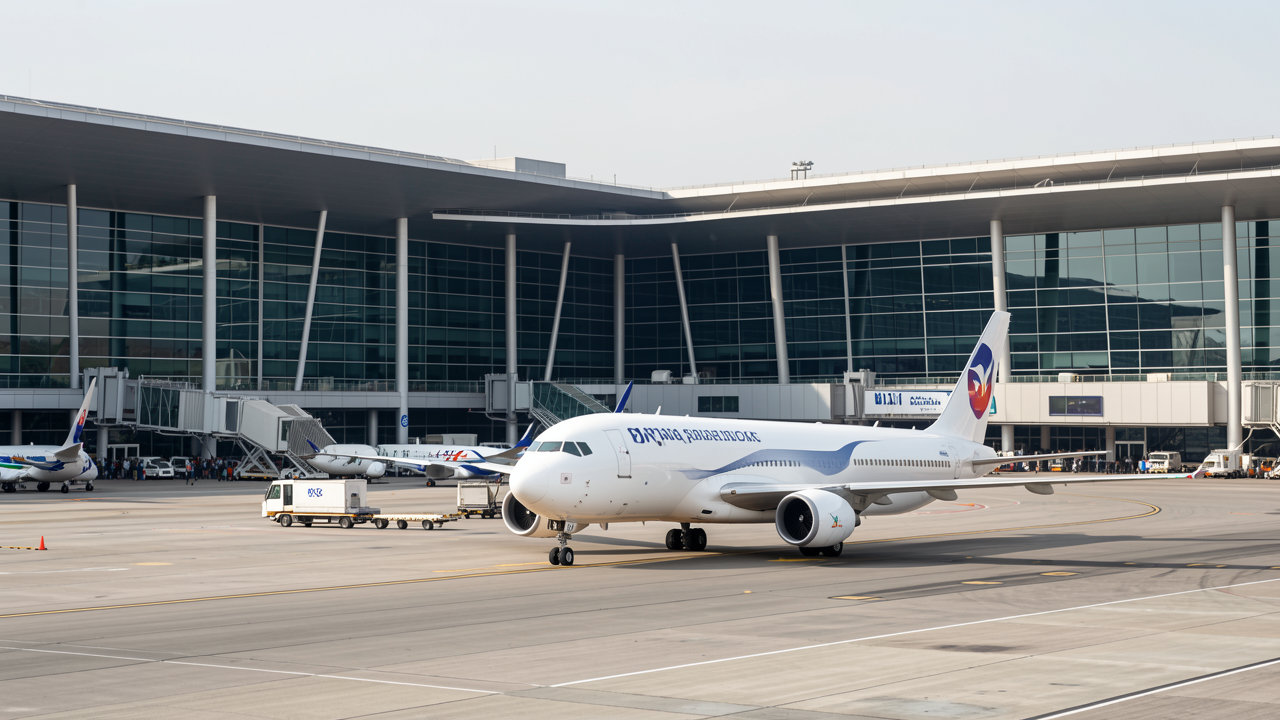
Think about how this plays out on the tarmac. When one company controls the gates, the peak departure slots, and the aircraft parked on the concrete, rival carriers get nervous. How does an independent airline get a fair shake on 8:00 AM departures or ground crew priority when competing against the airport owner's sister company? It’s the classic fox guarding the henhouse, and aviation watchdogs traditionally hate it.
Still, the pressure to break open the market is huge. Record-shattering passenger numbers are pushing terminal capacity to its limits every month, and Indian aviation is a notoriously brutal business defined by heavy fuel taxes and razor-thin margins. Weak players die fast. Turning away a deep-pocketed giant like Adani means protecting a rigid status quo that isn't helping anyone on the concourse.
Where New Delhi Goes From Here
Fixing this requires delicate work. Regulators are hunting for strict firewalls and legal safeguards to guarantee that airport operators can't weaponize gates and tarmac access against competing airlines. Similar ownership questions and market shakeups are reshaping the global travel landscape every day, much like the recent Aegean Eyes Takeover of Volotea Amid Financial Strain. The aviation business always wobbles along the fine edge of monopoly.
Passengers just want lower fares, dependable schedules, and actual options when booking a seat. Whether opening the runway to airport operators delivers those perks—or simply builds an unshakeable mega-monopoly that stifles smaller players—is the gamble now sitting on New Delhi's desk. What regulators decide next will shape Indian aviation for a generation.
Source: Skift | 23 September 2026
Why It Matters
Allowing airport operators to own airlines could dramatically reshape competition in one of the world's fastest-growing aviation markets, impacting ticket prices and carrier choice for millions of travellers.
Source: Skift. Content curated and produced by Skyplus Team.
Plan Your Trip
Where This Takes You


Related
More Stories