US Unveils First National Strategy for Advanced Air Mobility
Washington finally has a playbook for the flying car future. The new US strategy maps out the path for advanced air mobility.
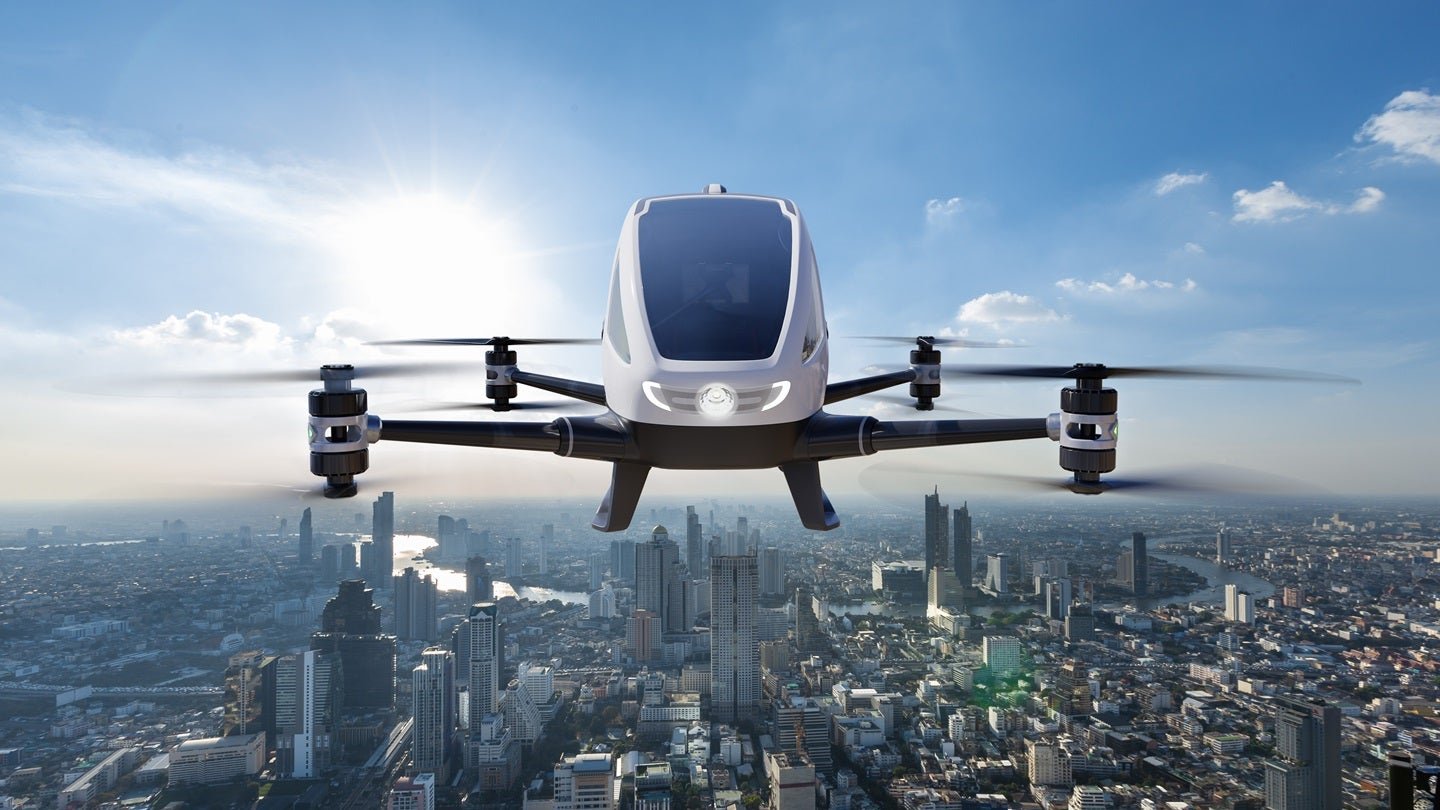
Washington Lays Down the Rules for Flying Taxis

The United States Department of Transportation has finally stopped treating the future of flight like a sci-fi pitch meeting. For the first time, federal regulators have dropped a comprehensive national strategy specifically engineered for advanced air mobility. If you thought electric vertical takeoff and landing aircraft were just expensive toys for Silicon Valley billionaires, think again. Washington's building the scaffolding for an entirely new tier of transportation, and they're doing it right now.
For years, aerospace startups have been designing futuristic craft in a regulatory vacuum. They built the vehicles, but nobody knew how to manage the airspace, where to land them, or how the public would actually buy a ticket. This new federal roadmap changes the dynamic completely. It gives manufacturers, city planners, and airlines a concrete target to aim for instead of shooting in the dark.
The Blueprint Behind the Buzz

A strategy without teeth is just a doorstop. Luckily, the Department of Transportation bundled this high-level vision with a tangible action plan. The initiative tackles the gritty, unglamorous bottlenecks that usually strangle aviation projects in red tape. We're talking about modernizing air traffic control protocols, integrating quiet electric motors into dense urban soundscapes, and figuring out how to power a whole fleet of novel aircraft without melting the local electrical grid.
Municipalities are the real winners here. Mayors and urban planners have been panicking about how to handle rooftop vertiports without turning downtown cores into helipads from a 1980s action movie. By establishing federal baselines, Washington is handing local governments the tools they need to zone properly and build infrastructure that won't be obsolete by the time the first commercial passenger boards a flight.
What This Means for Travelers and Industry
Let's be realistic: you aren't commuting to work in a flying pod tomorrow. But this framework accelerates the timeline from theoretical to inevitable. Commercial operators now have a clear regulatory pathway to certification, meaning investment capital can flow with less fear of sudden bureaucratic roadblocks. For the average traveler, it means the dream of bypassing airport gridlock via electric aerial rides is inching closer to reality.
The race to dominate the skies just got a definitive starting line. While other nations have dabbled in urban air mobility pilots, the United States just planted a flag with the scale of the world's largest aviation market behind it. Keep your eyes on the horizon—the regulatory friction is finally clearing out.
Source: Airport Technology | 18 December 2025
Source: Airport Technology. Content curated and produced by Skyplus Team.
Related
More Stories