When Should an Airport Actually Stop for Lightning?
When lightning starts hitting the tarmac, airports usually reach for a blunt instrument: a total, grinding shutdown of every piece of ground operation in sight. Xweather Protect wants to change that. By pairing live detection with smarter forecasting, the new system gives airports a sharper tool to manage severe weather. They can keep operations moving safely—without locking everything down a second longer than they actually have to.
Key Details
- Tool Name
- Xweather Protect
- Core Features
- Real-time detection, forecasting, configurable alert zones
- Primary Benefit
- Automated notifications for severe weather operations
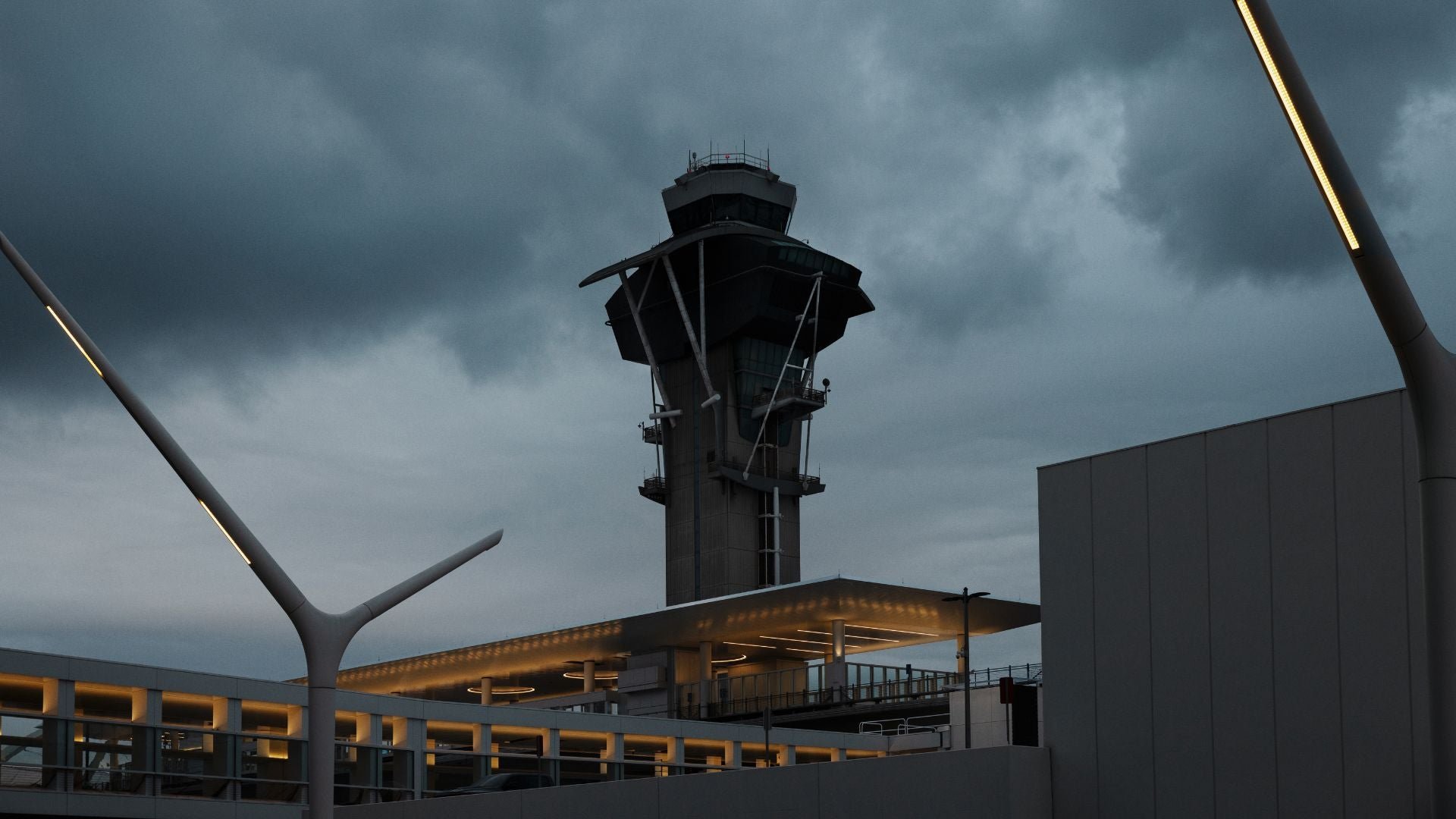
The High-Stakes Guessing Game on the Apron
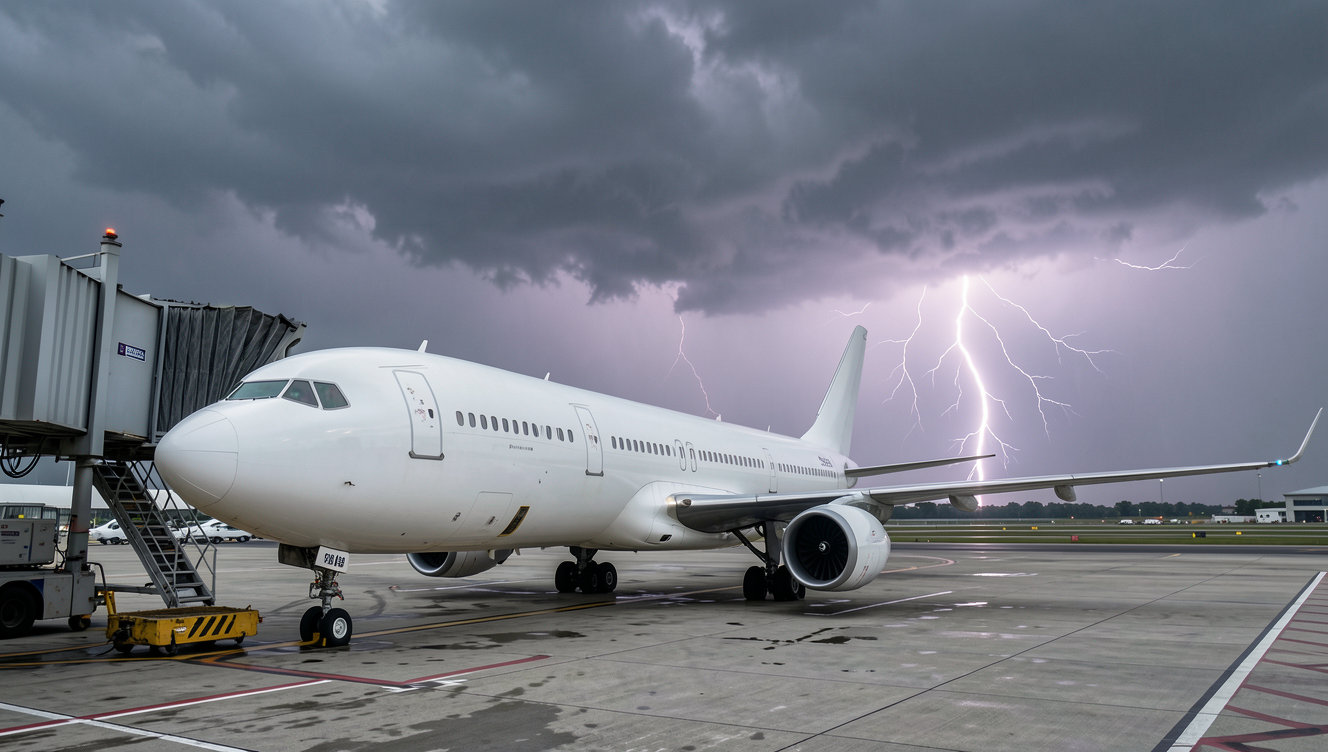
Ask any ramp supervisor what keeps them up at night. It isn't slot constraints or late-arriving jets. It's the sky. Lightning remains aviation's most unpredictable hazard, turning a routine baggage offload into operational roulette. Pull workers off the apron too early and you bleed cash through pointless delays. Wait five minutes too long and your ground crew is standing on open pavement in a thunderstorm.
For decades, airports have relied on a messy patchwork of visual checks and laggy weather radar feeds to make the call. It's a crude system driven by guesswork, knee-jerk caution, and far too many false alarms. Ground operations freeze up the second a storm brushes the airfield boundary, only for everyone to watch the cell dissolve harmlessly miles away. Meanwhile, passengers sit stranded on the tarmac, staring at dry skies and wondering why their plane isn't moving.
Replacing Panic with Precision
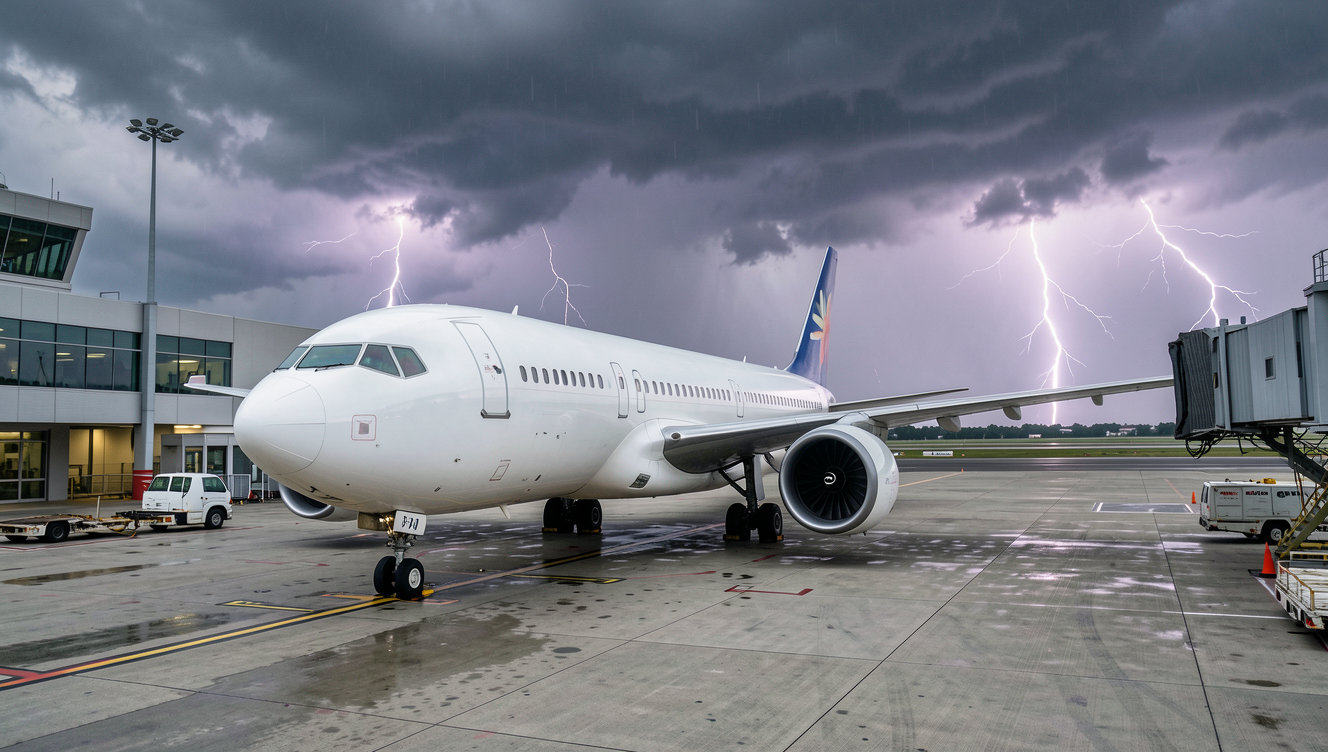
That’s where Xweather Protect comes in. Built to strip the panic out of weather disruptions, the platform combines real-time lightning detection with predictive forecasting. Instead of just reacting to a strike overhead, dispatchers get a clear, forward-looking view of where a storm cell is actually heading.
Rather than dumping raw meteorological data onto a frantic control desk, the system lets airports draw custom alert zones tailored to their specific tarmac footprints and terminal layouts. The moment a storm crosses a line, automated notifications trigger immediately. Fueling crews, baggage handlers, and gate coordinators all receive the exact same clear signal at the exact same second.
Shrinking the Delay Window
Ground efficiency comes down to raw timing. When severe weather rolls in, every extra minute teams can safely keep things moving preserves millions in airline revenue and stops passenger frustration from boiling over. Shifting from reactive scrambling to tight tracking lets airfields shrink their shutdown windows without risking lives.
Baggage teams no longer have to guess whether a distant rumble means running for cover. They can see right on their screens if a cell is gaining strength or quietly burning out before anyone calls off the ramp. Honestly, it's the kind of practical, common-sense tool modern aviation desperately needs as unpredictable weather keeps tearing up schedules across global hubs.
Source: Airport Technology | 11 September 2026
Why It Matters
Better lightning detection tools help airports reduce costly weather-related delays while keeping ground crews safe from severe storms.
Source: Airport Technology. Content curated and produced by Skyplus Team.
Related
More Stories