Why Tourism Boards Can't Market Mega-Events Like the NFL
Hosting a Super Bowl or a World Cup sounds like the ultimate tourism jackpot. But there’s a catch. Destination marketers face a tangle of strict rules that severely limit how they can actually use the game.
Key Details
- Primary Constraint
- Intellectual property laws
- Affected Entities
- Destination Marketing Organizations
- Impacted Events
- Super Bowl, World Cup, Olympics

Winning the Bid Is the Easy Part
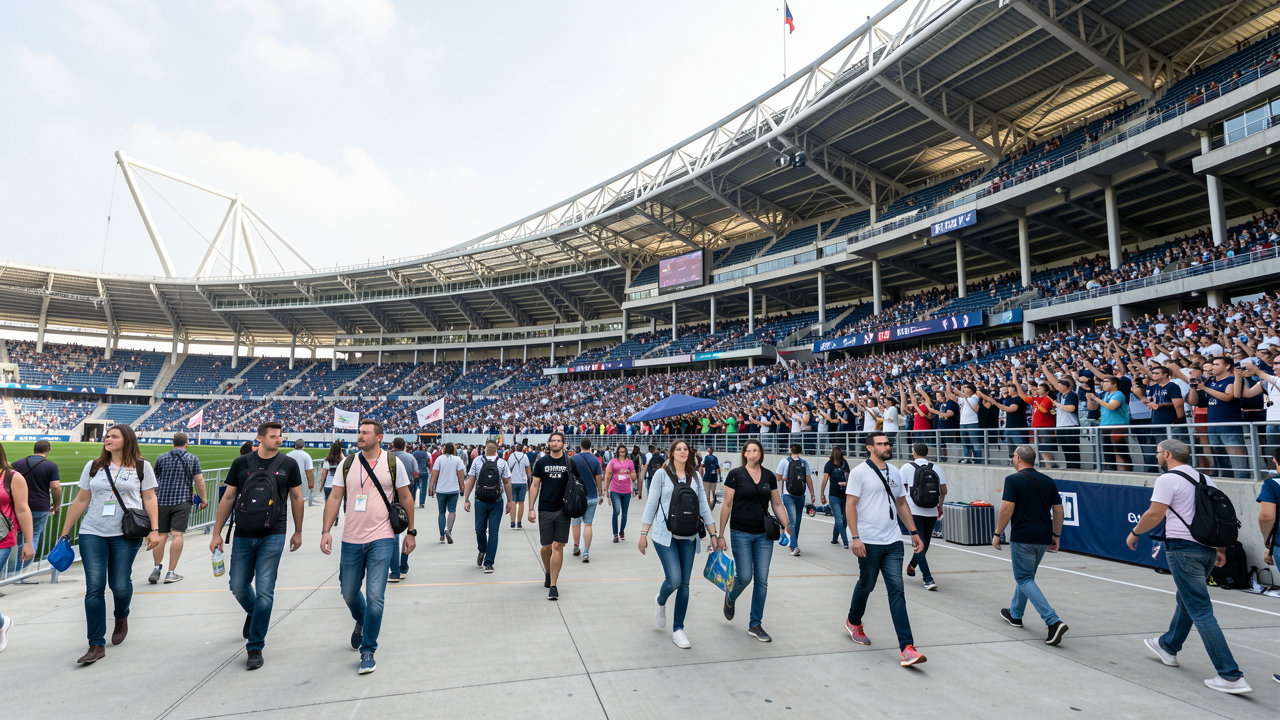
Winning the right to host a massive sports spectacle looks like a triumph on paper. Cities pour millions into bidding wars for the Super Bowl, the Olympic Games, or the FIFA World Cup, expecting a flood of international visitors and global coverage. But leveraging that spotlight is far trickier than most people realize. When the show actually rolls into town, local tourism boards rarely hold the keys.
Rather than steering the narrative, destination marketing organizations get pushed to the fringe. Sure, they can pitch the host city while everyone's watching. What they can't do—at least not legally—is feature game footage, official logos, or highlight moments in their promotional work. It creates a strange dynamic: the host city pays for the venue, but corporate leagues write the rules.
Where the Lawyers Take Over
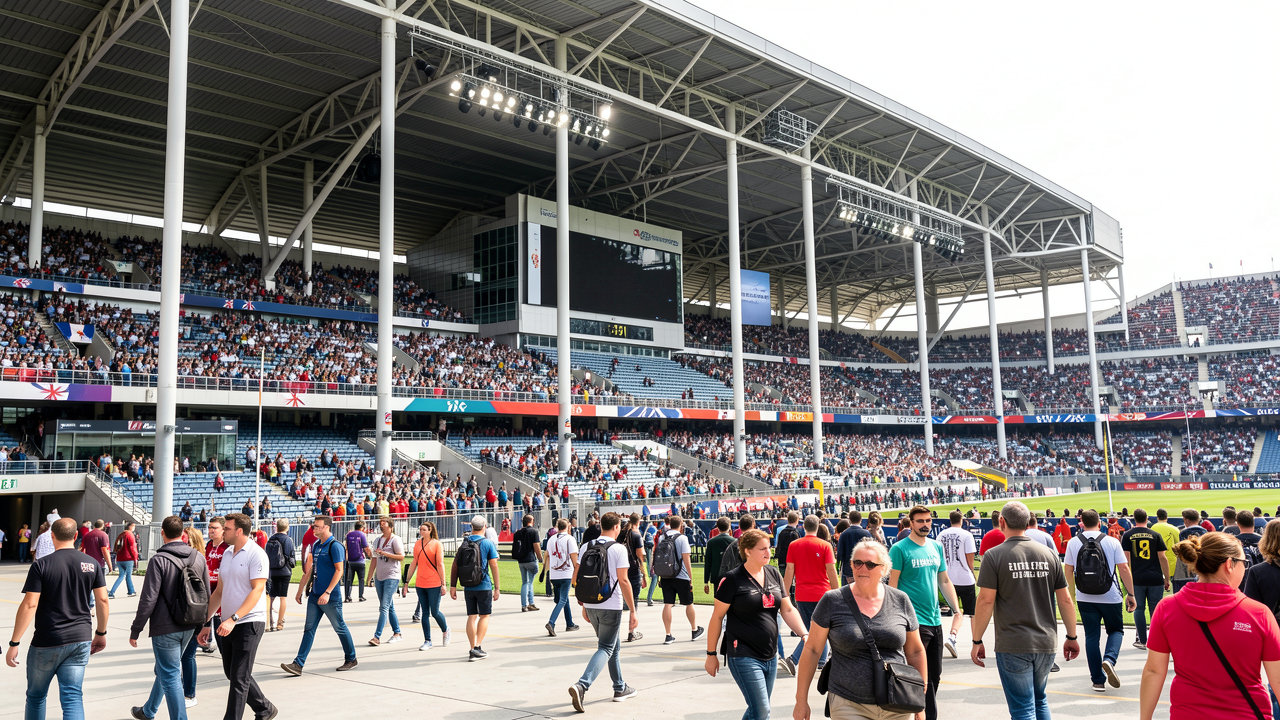
Blame fiercely guarded intellectual property. Major sports leagues operate like fortresses, protecting their trademarks, slogans, and event branding with aggressive legal teams. If a tourism office wants to cut a commercial using a game-winning touchdown pass or an athlete holding up a trophy to draw visitors back next year, they can't. The lawyers will shut it down immediately.
That leaves marketing directors playing an expensive game of semantic hide-and-seek. DMOs have to build campaigns around local food, neighborhood culture, and general street energy during game week. They market around the event, never through it. They're stuck cheering from the sidelines of their own marketing strategy, banned from using the exact trigger that brought the world to their doorstep.
What Nobody Warns You About
Most travelers assume the local tourism office runs the fan zones and street festivals they experience on the ground. They don't. The corporate machines behind these spectacles run tight operations, prioritizing their own global sponsors and profits over long-term city branding.
Tourism executives are forced to weigh massive hosting bills against serious promotional handcuffs. Packed hotels and full restaurants deliver a real short-term surge, but the lasting marketing value is muted. Until leagues and host cities find a better compromise, marketing a mega-event remains an exercise in creative restriction.
Source: Skift | 22 September 2026
Why It Matters
Understanding the strict limits on destination marketing helps explain why cities spend fortunes on mega-events yet struggle to capture lasting tourism value.
Source: Skift. Content curated and produced by Skyplus Team.
Related


