Airbus · Narrowbody · In Production
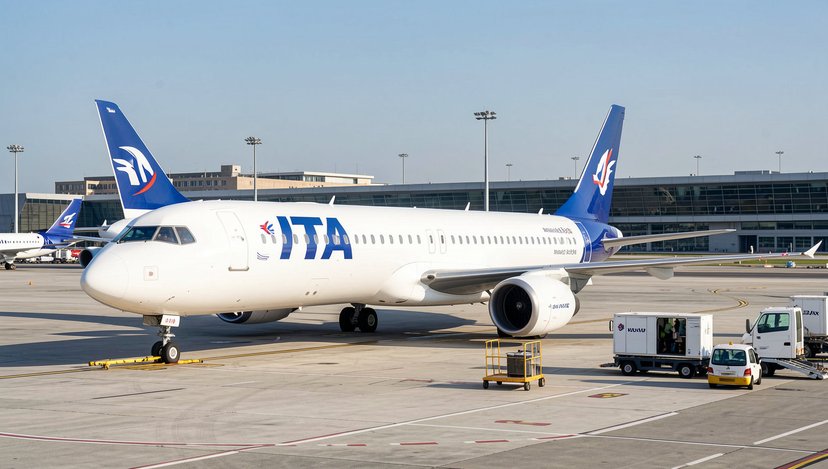
Airbus A220-300

MarcelX42 — CC BY-SA 4.0
The Airbus A220-300 (originally developed by Bombardier Aerospace as the CS300) is a clean-sheet, narrow-body twinjet designed specifically for the 100-to-150 seat market segment. Powered by Pratt & Whitney PW1500G geared turbofan engines and featuring advanced aerodynamics alongside extensive composite materials, the aircraft delivers significantly lower fuel burn and noise footprints compared to older generation single-aisle jets.
Occupying a critical role in modern fleet planning, the A220-300 bridges the capability gap between smaller regional aircraft and traditional larger narrow-bodies like the Airbus A320neo and Boeing 737 families. Its transcontinental range capabilities and optimized cabin environment have allowed operators to open thin point-to-point routes previously economically unviable with larger airframes.
By The Numbers
The Airbus A220 family—encompassing the larger A220-300 and smaller A220-100 variants originally developed as the Bombardier CSeries—has accumulated strong commercial momentum. Across the broader program, total firm orders have surpassed the 1,100 mark, backed by over 500 completed deliveries as of mid-2026. The larger A220-300 accounts for the vast majority of both production output and the active order backlog, underscored by major commitments including a record-setting 150-aircraft deal from AirAsia. Final assembly operations are split between Mirabel, Canada, and Mobile, Alabama.
Operationally, the A220-300 flies heavily across North America and Europe, anchored by major mainline carriers and early adopters. Delta Air Lines, JetBlue, Air Canada, Breeze Airways, Air France, and Europe's airBaltic represent the bulk of the active global fleet. While North American and European networks currently dominate daily utilization, upcoming deliveries to carriers like AirAsia signal an expanding footprint in the Asian low-cost and regional sectors.
Manufacturing
Where It's Built
The Airbus A220-300 is manufactured across two primary final assembly lines (FAL): the lead facility located in Mirabel, Quebec, Canada, and a secondary final assembly line established in Mobile, Alabama, United States.
The airframe utilizes an extensive international supply chain featuring advanced composite and metallic structures:
- Wings: Designed and manufactured by Spirit AeroSystems (formerly Short Brothers PLC) at their facility in Belfast, Northern Ireland.
- Fuselage Sections: The front and aft fuselage sections are built and equipped by Airbus Atlantic in Mirabel, Canada. The center fuselage is manufactured using advanced aluminum-lithium alloys.
- Empennage & Control Surfaces: Horizontal and vertical tail surfaces, along with other secondary aerodynamic components, incorporate extensive carbon composites sourced from specialized tier-one aerostructures partners.
Regarding the original program development cost, when the aircraft was conceived and launched by Bombardier as the CSeries family, initial feasibility estimates placed development costs at roughly $2.1 billion. However, as the clean-sheet program faced severe engineering delays, technical headwinds, and substantial scope creep, total historical program development and industrialization costs escalated past $5.4 billion prior to Airbus acquiring a controlling majority stake in the venture.
Notable Operators
Watch
Airbus A220-300 In Action
Air Canada Airbus A220-300 Sunny Roaring Takeoff from Toronto Pearson | YYZ-DEN
The New Airbus A220
Latest
Airbus A220-300 in the News


Sources & Further Reading
- Airbus A220-300 Specifications - Airbus ↗
- Airbus A220 - Wikipedia ↗
- Airbus Orders and Deliveries Summary ↗
- Wikipedia - List of Airbus A220 orders and deliveries ↗
- Air Data News - Airbus A220 reaches 500 deliveries ↗
- Airbus A220 - Wikipedia ↗
- Airframer Program Supplier Guide - Airbus A220 ↗
- Airbus Atlantic Aerostructures ↗