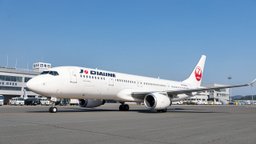
Alaska Airlines Drives Spokane Fire Relief Operations
When the Spokane Complex Fire broke out, Alaska Airlines didn't just keep flying—it turned its operations toward the response. The carrier freed up cargo capacity for supplies, waived travel fees, and flew in relief crews to aid the effort on the ground. Here's how the airline mobilized.

When wildfire smoke chokes the skies over Eastern Washington, normal airport operations usually collapse into a mess of cancelled routes, stranded passengers, and grounded jets. The Spokane Complex Fire was different. Instead of cutting and running, Alaska Airlines reshaped its regional network overnight, turning routine commuter flights into a makeshift logistical pipeline for a region in crisis.
For a carrier built in the Pacific Northwest, handling a disaster on home turf isn't just PR—it's a stress test. Alaska's dispatch teams began shifting schedules around Spokane International Airport (GEG) almost immediately, showing how quickly commercial airlines can step into the role of a public utility when highways get cut off by flame.
Bypassing Blocked Highways from Above

Wildfires destroy ground routes in hours. When that happens, air corridors are all that's left for incoming aid workers, emergency crews, and families trying to get out. Alaska mobilized planes across its regional network, keeping Spokane tied directly into primary supply hubs like Seattle and Portland.
Ground teams had to move fast. Dispatchers continually rerouted flights to dodge shifting smoke clouds and bad visibility while keeping daily flight counts up. Down in the cargo holds, standard passenger luggage gave way to crates of medical supplies, communication gear, and emergency provisions bound straight for the fire zone.
By leaning on its established regional fleet, the airline kept aid moving while highway traffic sat deadlocked behind road closures. Flipping regular passenger jets into hybrid supply craft on short notice isn't easy, but during a major burn, it's what keeps emergency operations moving.
Throwing Out the Rulebook for Evacuees

Fleeing a wildfire is chaotic enough without worrying about ticket change fees. As evacuation orders spread and smoke blanketed the city, Alaska dropped standard penalties for anyone flying into or out of Spokane, letting locals alter their plans on the fly without getting hit with extra charges.
When you have an hour to pack your life into a suitcase, rigid airline rules are the last thing you need to deal with. Alaska waived baggage fees for evacuees hauling essential gear and opened up cabin rules for pets. They temporarily lifted weight limits and carrier restrictions so families could get dogs and cats out of the fire zone safely. (If you're flying with pets under normal circumstances, our guide to Flying With Dogs: Essential Tips for Alaska Airlines covers the everyday regulations).
Inside GEG, frontline staff had their hands full. Gate agents and ramp crews worked packed terminals while slotting in last-minute bookings for wildland firefighters and emergency personnel flying in from across the country.
Keeping the Support Going After the Smoke Clears
Disaster response doesn't end when the flames die down. Once fire crews contain the burn, the long work of rebuilding begins. Alaska kept its logistical support active for local relief orgs, channeling corporate aid and loyalty program resources to help rebuild what was lost.
Frequent flyers were able to donate their Mileage Plan points directly to relief partners working in Eastern Washington. Those points paid for seats for specialists, relief workers, and displaced families long after the emergency funding ran dry.
It's a stark reminder of what an airline actually is when things go wrong. Beyond selling seats and hauling bags, a regional carrier has the fleet power, cargo capacity, and boots on the ground to act as a crucial safety net when a community gets cut off from the rest of the world.
Source: Alaska Airlines Newsroom | 12 August 2026
Source: Alaska Airlines Newsroom. Content curated and produced by Skyplus Team.
Related
More Stories