Volcanic Ash Closes Indonesian Skies, Stranding 270,000
Anak Krakatau blew without warning, choking the skies near Jakarta and slamming regional air traffic to a sudden halt. As airport closures drag on, 270,000 passengers are stuck where they landed.
Key Details
- Volcano
- Anak Krakatau
- Location
- 150 km from Jakarta, Indonesia
- Eruption Timing
- Late Friday
- Travellers Affected
- 270,000
- Operational Impact
- Extended airport closures & re-routing
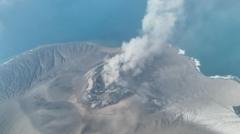
270,000 Stranded as Anak Krakatau Locks Down Regional Skies

Anak Krakatau blew late Friday, roughly 150 kilometers off Jakarta, and within hours Southeast Asia's aviation network ground to a halt. Around 270,000 travelers are currently stuck. What looked at first like a local head-scratcher fast turned into a nightmare for regional transit, as massive plumes of abrasive volcanic ash forced airports to freeze departures across the map.
To a commercial pilot, ash isn't just bad weather. It's pulverised glass. Inside a jet turbine, those microscopic particles melt into liquid slag, choke airflow, coat vital sensors, and sandblast windshields opaque. Safety directors didn't hesitate when the volcano threw its plume into the upper atmosphere—they grounded everything. Hopes for a quick resolution vanished almost immediately as changing wind patterns dragged silica clouds straight into some of the world's busiest air channels.
If you're caught in the middle of this, it's grim. Departure lounges across the region feel less like transit hubs and more like makeshift holding pens for tens of thousands trying to hop between islands or catch connections home. Terminal floors are packed, rebooking queues snake past security barriers, and airline call centers have essentially collapsed under the volume.
Why Detouring Around the Cloud Isn't That Simple

Local airstrips took the first hit, but the fallout spreads thousands of miles out. Major long-haul corridors connecting East Asia, Australia, and Europe thread straight across the Sunda Strait. With hazardous debris sitting right in that bottleneck, flight dispatchers are pulling all-nighters to map out safe routes around the danger zone.
Steering a commercial jet around a volcanic plume isn't like taking a side road on a highway. Wider loops burn thousands of extra kilograms of fuel. To carry that extra weight without blowing past maximum structural landing limits, carriers have to cap passenger seats or ditch heavy cargo. On long-haul legs, adding an hour or two aloft can easily push aircrews past legal duty limits, triggering last-minute crew swaps and delays that cascade through the system.
Operations rooms across Asia are rewriting flight schedules hour by hour. Dispatchers stay locked on live satellite feeds and wind-drift projections coming out of specialized Volcanic Ash Advisory Centers. Until those reports show a clear drop in silica levels, no airline is taking chances with engine safety—planes will either stay parked or take the long way around.
Stuck in the Gridlock? Here's What to Do
Anyone booked to fly through Indonesian or neighboring airspace over the next couple of days needs to act fast. Sitting on your hands and waiting for an automated alert won't cut it. Airspace decisions after an eruption change quickly, and a single shift in wind direction can open—or close—a runway in minutes.
Don't race straight to the terminal just because an initial closure window expired. Check the airline's mobile app instead—it almost always updates faster than the screens in the terminal hall. If your flight gets canceled, tackle rebooking options directly through the app or customer service chat rather than standing in a two-hour line at an airport counter.
Pull up your travel insurance policy immediately. Volcanic activity falls under 'acts of nature,' meaning carriers aren't legally bound to pay out compensation beyond basic duty-of-care meal and room vouchers. Knowing whether your policy picks up the tab for unexpected hotel stays or alternative ground transport could save you thousands out of pocket.
Watch your downstream connections carefully, too. Even if your first leg takes off on schedule, backlogs along rerouted corridors can easily cause missed layovers elsewhere. Book a hotel early if an overnight stay looks inevitable, stay flexible, and prepare to wait while aviation authorities keep watch on Anak Krakatau's restless skies.
Source: BBC Travel | 7 September 2026
Why It Matters
Volcanic ash poses severe hazards to jet engines, forcing sudden airspace closures and extensive route adjustments that disrupt global connections for hundreds of thousands of travellers.
Source: BBC Travel. Content curated and produced by Skyplus Team.
Related
More Stories


