Volcanic Ash Groundings Strand 150,000 in Jakarta
Volcanic Ash Grounds Flights in Jakarta, Stranding 150,000 Across Southeast Asia That plume of volcanic ash floating near Jakarta didn't just look dramatic on satellite feeds—it completely scrambled regional aviation, leaving more than 150,000 passengers stranded across Southeast Asia. Here's how to handle the operational fallout.
Key Details
- Affected Region
- Jakarta & Javanese Airspace
- Passenger Impact
- 150,000+ stranded travellers
- Primary Hazard
- Airborne Volcanic Ash Plumes
- Operational Result
- Widespread Flight Cancellations & Groundings
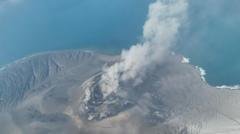
Gridlock Over Java

More than 150,000 passengers are currently trapped inside terminals across Indonesia and beyond after volcanic ash drifted directly into Jakarta’s busiest flight corridors. Cancellations, diversions, and total ground stops hit Southeast Asia’s aviation network hard and fast. It’s a mess, and it isn't clearing up anytime soon.
Almost overnight, departure boards at major regional hubs turned red. Local and international carriers pulled back flight schedules as aviation authorities moved to lock down compromised routes. With ash shifting unpredictably, airline dispatchers face a full-scale operational nightmare: constantly rerouting jets, burning through legal crew hours, and leaving aircraft grounded thousands of miles from where they need to be.
What Airborne Glass Does to a Jet Engine

Look out a terminal window, and a volcanic plume can easily pass for a heavy rainstorm. To an air traffic controller or a captain, though, it's one of the single most dangerous environments a commercial jet can enter. This isn't soft wood ash. It's a grinding mix of pulverized rock, glass, and razor-sharp minerals—abrasive enough to scrape windshields completely opaque and clog critical pitot tubes.
Inside a modern jet engine, things get far worse. Operating temperatures in high-pressure turbine cores regularly beat silica's melting point. When an engine ingests this fine dust, the glass melts instantly in the combustion chamber, coating turbine blades in a thick, liquid slag. As that molten glass moves into cooler sections of the engine, it hardens again. Airflow chokes, the compressor surges, and engines flame out in mid-flight.
Standard weather radar can't pick up microscopic ash particles, leaving flight crews entirely reliant on Volcanic Ash Advisory Centers to map the hazard. Once satellite images confirm ash hanging at cruising altitudes, safety protocols leave zero room for debate: airspace closes, and fleets stay on the tarmac.
If You’re Stranded Right Now
If you're caught in this breakdown, speed matters. Phone lines are completely overwhelmed. Your best chance of grabbing a replacement route or keeping out-of-pocket costs down is opening your airline’s mobile app right now—long before the queue at the customer service desk winds around the terminal.
Take these steps immediately:
- Claim your duty of care: Most international airlines flying into Indonesia must issue vouchers for meals, hotel stays, and ground transport if you're stuck overnight. That requirement doesn't vanish during environmental disruptions like this.
- Look for alternative hubs: Don't sit around waiting for direct Jakarta routes to reopen. Ask rebooking agents to check secondary regional airports sitting safely outside the ash cloud's path.
- Hang onto every receipt: Maintain a strict paper trail of everything you spend while waiting. Travel insurance often covers trip interruptions caused by closed airspace, but only if you have itemized proof.
- Follow official airspace updates: Third-party tracking apps frequently lag behind reality. Check official air traffic management bulletins and direct airline alerts, because flight corridors can reopen quickly once upper-level winds clear the air.
Clearing an operational breakdown on this scale takes days, even long after the skies clear. Aircraft and crews are displaced across the globe, meaning flight schedules won't snap back to normal just because the dust settles. Stay persistent, keep checking your app, and hold onto those receipts.
Source: BBC Travel | 6 September 2026
Why It Matters
Volcanic ash poses extreme mechanical risks to commercial aircraft, triggering sudden airspace shutdowns that knock regional flight schedules out of alignment for days.
Source: BBC Travel. Content curated and produced by Skyplus Team.
Related
More Stories


