Why Expanding European Airports Threaten Overtourism Caps
<h1>Europe Wants Fewer Tourists. Its Airports Have Other Plans.</h1> <p>Europe’s major tourist hotspots are desperately trying to rein in crowd sizes. The trouble is, local airports keep expanding—and they're flooding those same destinations with more passenger traffic than ever.</p>
Key Details
- Impacted Destinations
- Barcelona, Venice, Mallorca
- Core Conflict
- Airport capacity growth vs. city overtourism caps
- Travel Impact
- Easier flights offset by tougher city regulations
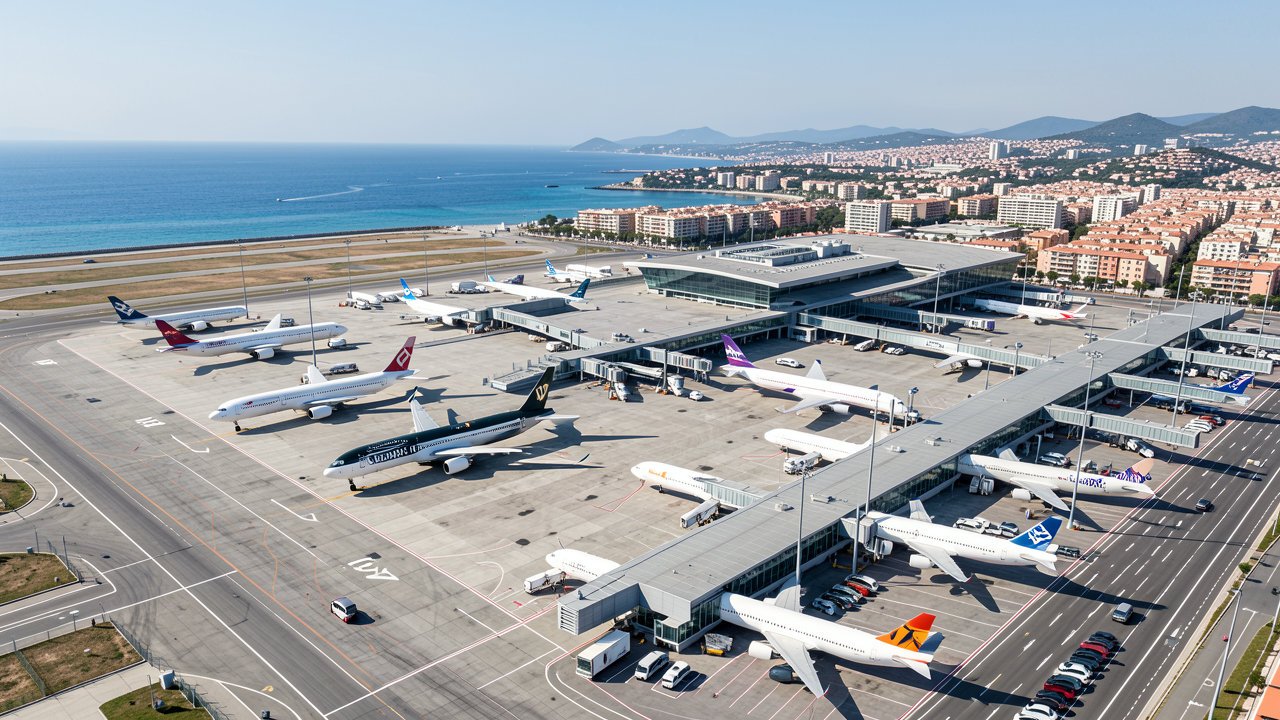
When Cities Say Stop, Airports Keep Pouring Concrete
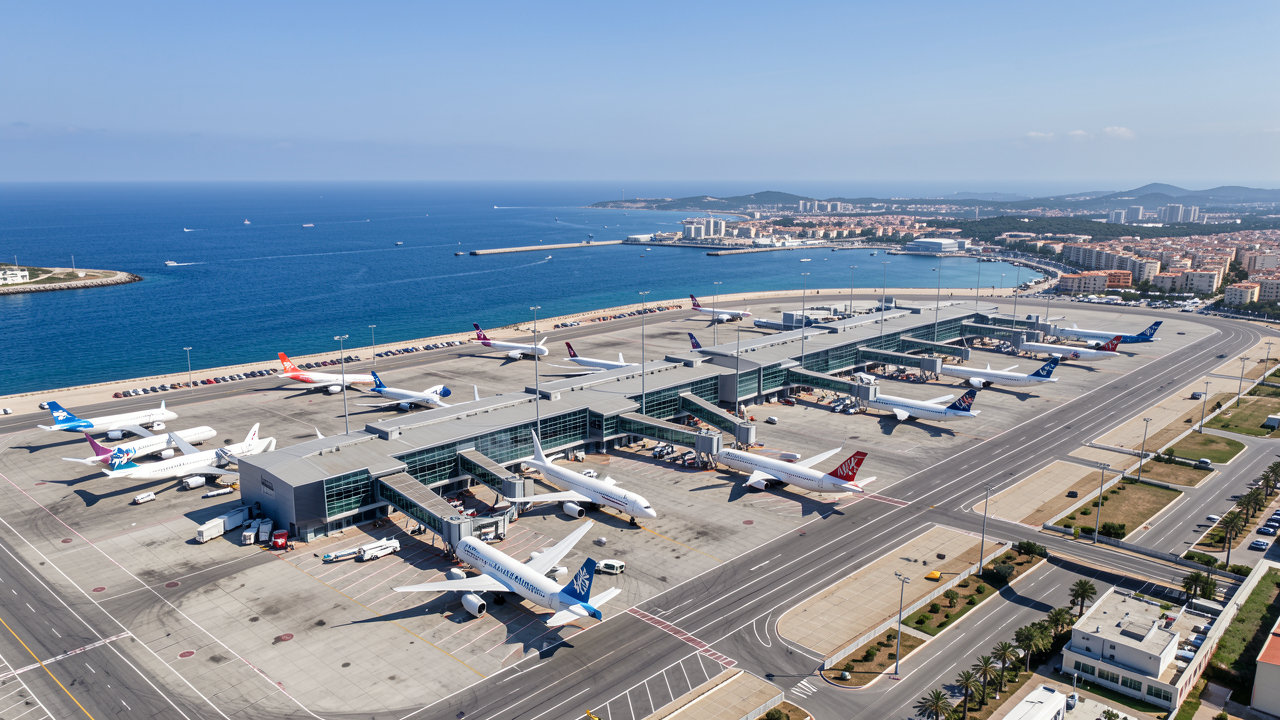
Venice now charges day-trippers just to cross its bridges. Barcelona plans to phase out short-term holiday rentals entirely. Mallorca is cracking down on resort rowdiness and capping cruise arrivals. Across Southern Europe, town halls are pulling every lever they've got to choke off visitor numbers. Yet a few miles down the road, the concrete is still drying, terminal gates are multiplying, and airport executives are quietly aiming for record traffic.
It's a bizarre double game playing out right at the city limits. While mayors burn political energy trying to thin out the crowds downtown, regional airport boards are laying fresh asphalt. They're adding gates, modernizing terminals, and expanding runway space to move millions more arrivals through the gates every year.
The mechanics here aren't complicated. Build capacity, and airlines will immediately fill it. Budget carriers slash fares to pack out new routes, legacy airlines expand seasonal schedules, and the sheer volume of incoming travelers surges right past whatever caps local planners set downtown.
Barcelona, Mallorca, and the Venice Contradiction
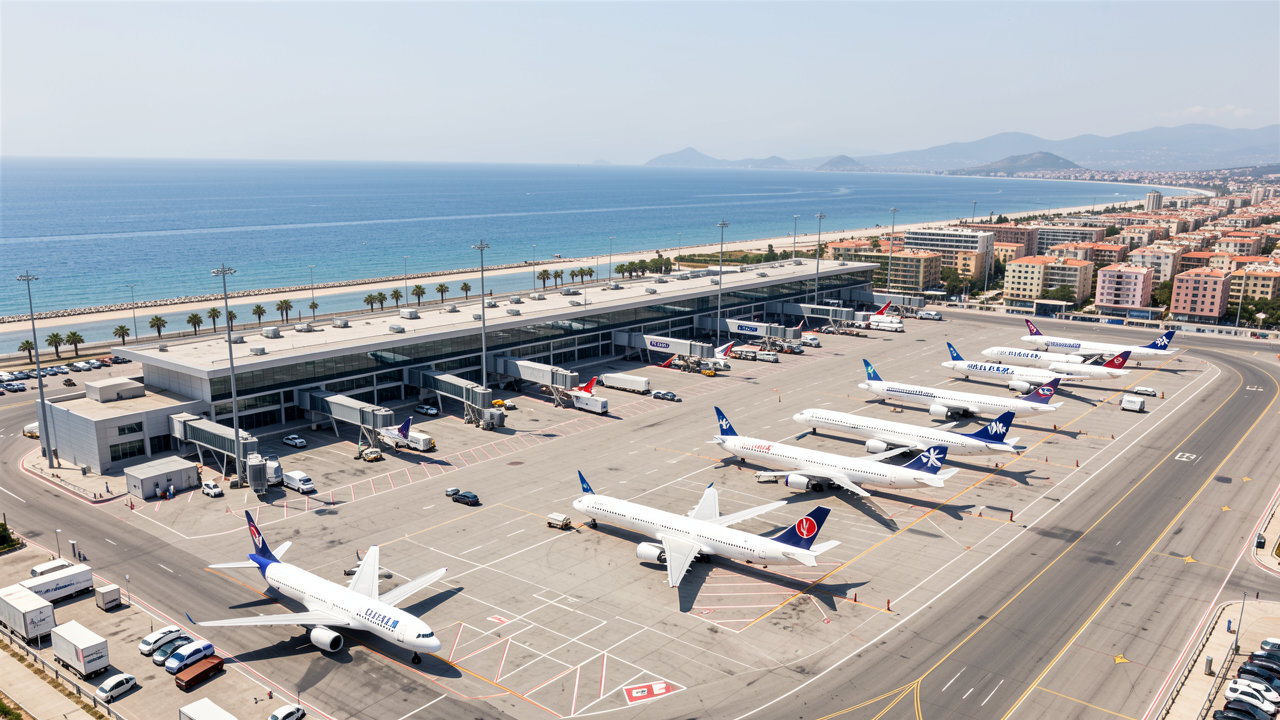
Take Barcelona’s El Prat Airport. For years, neighborhood activists and city leaders have called for visitor limits to protect affordable housing, keep night streets quiet, and cut down on noise pollution. Meanwhile, master plans for El Prat keep pushing to lengthen runways and enlarge terminals, aiming to turn a congested budget hub into a major intercontinental transit center.
Fly over to Mallorca and you'll see the exact same tug-of-war. Island authorities are struggling to balance environmental protection and resident life against a crushing summer peak. Yet Palma de Mallorca Airport continues a massive, multi-million-euro facility upgrade designed to churn high-density seasonal crowds through security and out the door with relentless speed.
Over in Venice, the contrast gets almost absurd. Global headlines trumpet the city's experimental day-tripper fee aimed at keeping historic bridges passable. But just across the lagoon, Marco Polo Airport operates as a high-powered engine built to move people. Once an airport scales up, municipal crowd controls lose almost all their bite. Aviation economics don't care about town hall policy: if you open the slots and build the gates, planes will land.
What Happens When You Step off the Plane
For anyone booking a summer trip, this conflict creates a weirdly divided experience. Getting there might actually feel easier than ever. Expanded terminals, streamlined security lines, bigger gate lounges, and aggressive airline competition mean better flight choices and potentially cheaper tickets into Europe's biggest destinations.
Step off the jet bridge, though, and the friction starts immediately. You're landing directly in cities actively trying to keep visitor numbers down. Expect a much tougher regulatory environment once you reach the center, including:
- Steeper tourist taxes: Cities are hiking nightly visitor levies to pay for strained public infrastructure.
- Fewer places to stay: Aggressive crackdowns on short-term vacation rentals are pushing travelers back into traditional hotel rooms.
- Tighter caps at major sights: Stricter reservation mandates and reduced hourly entry caps at famous historic sites and museums.
In the end, bigger terminal buildings mean one thing: more people. So long as regional aviation authorities view continuous passenger growth as a win, city efforts to manage overtourism will stay locked in a direct collision with the very runways bringing visitors to their doors.
Source: The New York Times Travel | 18 September 2026
Why It Matters
Airport expansions directly undermine municipal efforts to control visitor crowds, making transit through terminals easier while triggering stricter rules for travelers once on the ground.
Source: The New York Times Travel. Content curated and produced by Skyplus Team.
Related
More Stories


