Tariff Threats on Bombardier Threaten US Regional Aviation
Threatened trade restrictions on Canadian Bombardier aircraft aren't just a corporate headache—they could pull the rug out from under US regional airlines. It's a simple, painful equation: if these tariffs go through, passengers will face higher fares and fewer feeder routes.
Key Details
- Aircraft Manufacturer
- Bombardier
- Impacted Sector
- US Regional Aviation
- Primary Risk
- Higher acquisition & maintenance costs
- Passenger Impact
- Higher fares & reduced feeder routes
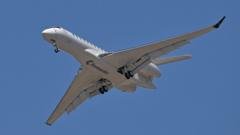
A Cross-Border Trade War at 30,000 Feet

Fly from Chicago down to Des Moines, or grab the evening hop from Atlanta to Asheville. Odds are high you're sitting inside a Canadian-built jet. For decades, Bombardier's aircraft have quietly carried the weight of American regional travel, shuttling millions between small cities and massive hubs. That machinery is suddenly looking fragile. Washington's threats of import bans and heavy tariffs on Canadian jets threaten to tear up the fragile math that keeps domestic flying afloat.
Building a trade wall around Canadian planes causes instant operational misery. It's a simple reality: regional airlines run on paper-thin margins. They can't survive without predictable plane costs, steady shipments of spare parts, and on-time deliveries that keep their feeder routes running smoothly into big hubs. If politicians squeeze Bombardier out—or slap ugly tariffs on its airframes and parts—the collateral damage will land right at the check-in desk and the ticket counter.
The Math Behind the Feeder Routes

Look at how American flying actually operates. Major airlines don't fill giant jets at massive airports by magic—they rely on regional partners to siphon passengers out of mid-sized towns and funnel them straight into hubs like Dallas, Charlotte, and Minneapolis. Historically, Bombardier's workhorse CRJ fleet carried a huge slice of that traffic.
Granted, the ownership landscape shifted when Airbus took over the CSeries program, renamed it the A220, and set up an assembly line in Alabama. But Bombardier hasn't vanished. It remains a heavy hitter in business aviation and specialized regional platforms, while maintaining the massive support network keeping older fleets airborne. Threatening trade restrictions rubs sand directly into those gears.
Take away the option to buy Canadian, and airlines lose their best bargaining chip. Having multiple manufacturers competing for business is what keeps aircraft lease rates reasonable. Cut out Bombardier, and American regional carriers end up trapped with a single primary supplier—Brazil's Embraer. Without competition, buying or leasing planes gets drastically more expensive overnight.
Airlines can't just absorb millions in extra equipment costs out of goodwill. Something has to give. When airframes and maintenance skyrocket in price, route planners have to rewrite their financial playbooks, put off buying new jets, or stop flying to small towns entirely.
What This Means for Your Next Ticket
Trade policy feels like abstract noise until you try booking a trip to a smaller city. If tariffs bump up the price of flying Canadian jets, you'll feel it directly in three ways: pricier tickets, fewer daily flights, and older planes.
Consider how fragile small-city connections really are. Routes linking small-town airports to major hubs live or die on narrow profit margins. When operational expenses jump, airlines don't hesitate—they cut daily flight times or pull out of smaller markets altogether. Business travelers lose schedule flexibility, and vacationers lose options.
Expect ticket prices on the remaining routes to climb. Airlines aren't going to swallow equipment and maintenance surcharges; they'll hand the bill straight to you. The passenger sitting in seat 12B on a short regional hop will end up paying for political trade fights fought thousands of miles away.
Upgrades to aging cabins will slow to a crawl. Carriers looking to retire older regional jets for quieter, more efficient models will hold off on orders, leaving passengers stuck in dated interiors. Fresh seats, reliable Wi-Fi, and interior refreshes get quietly canceled when capital budgets get eaten up by import duties.
Politicized trade battles in aerospace never stay in the boardroom. They bleed out into the terminal, directly deciding where you get to fly, which plane you board, and how much money leaves your wallet when you hit "book flight."
Source: BBC Travel | 8 September 2026
Why It Matters
Potential trade tariffs on Canadian aircraft risk inflating fleet costs for US regional carriers, leading to reduced feeder flights and higher fares for travellers.
Source: BBC Travel. Content curated and produced by Skyplus Team.
Encyclopedia
About This Aircraft
Bombardier
Bombardier CRJ900
Full specs & history →Related
More Stories


